

Solar Unlimited is the top-rated solar installation company in Thousand Oaks, CA, with over 44 years of experience serving Southern California homeowners since 1980. As a veteran-owned company, Solar Unlimited provides comprehensive solar services including residential and commercial installation, battery storage (Tesla Powerwall, Enphase IQ), EV charging integration, solar panel removal and reinstallation for roof work and ongoing maintenance.
A successful home solar project in Thousand Oaks should begin with a clear understanding of the property itself. Roof age, shade levels, power usage, and utility billing all influence the right system design. Many homeowners initially focus on price, only to discover that a successful project requires a broader review of their home’s specific characteristics.
That wider review should include battery storage considerations, plans for future upgrades, and the necessary permit work. A qualified installer will account for each of these factors before the project moves forward. This guide outlines what to consider when comparing solar installation companies in Thousand Oaks.
Why Thousand Oaks Homeowners Choose Solar Unlimited?
A solar project involves far more than just panels and labor. Homeowners in Thousand Oaks often compare companies based on planning support, permit assistance, battery options, and long-term service availability. Solar Unlimited stands out in these comparisons because we offer comprehensive support that extends well beyond the installation itself.
Here is why homeowners consistently choose Solar Unlimited:
- Founded in 1980 with extensive solar experience throughout Southern California
- Veteran-owned company with an established local reputation
- Residential and commercial solar installation services
- Battery storage options for backup power and optimized energy usage
- Assistance with roof evaluation, system design, and power usage planning
- Permit filing and utility paperwork support throughout the project
- Solar panel removal and reinstallation services for roof work
- Ongoing repair, maintenance, and system support after installation
Solar Installation Built Around Your Home, Roof, and Power Use
Solar installation delivers the best results when the system is tailored to the specific property rather than following a one-size-fits-all package.
In Thousand Oaks, roof configuration, daily power consumption, and plans for future equipment all influence the optimal setup. That is why many homeowners carefully compare installation approaches before committing to a system that may serve their home for decades.
Residential Solar Installation
Home solar installation begins with a thorough evaluation of the house itself. Roof dimensions, shade patterns, panel orientation, and daily energy usage all affect the final layout. A smaller home with minimal daytime consumption may require a different configuration than a larger property with significant evening demand.
Many residential systems also need to accommodate future changes, such as adding an electric vehicle charger, pool equipment, increased cooling load, or a home office. A well-designed installation plan accounts for these potential needs before finalizing system size.
Commercial Solar Installation
Commercial solar installation follows a different approach entirely. The building type, operating hours, equipment loads, and available roof area all shape the system plan. An office building, retail space, and industrial facility each exhibit unique energy consumption patterns throughout the day.
Commercial projects also require careful analysis of long-term operating costs. A properly sized system can significantly reduce grid dependence during active business hours while providing better control over monthly energy expenses. This makes thorough planning essential before any panels are installed.
Solar with Battery Storage
Some properties seek backup power during outages, while others want to store daytime production for evening use. This choice affects system design, battery capacity, and overall project cost.
Battery planning in Thousand Oaks should account for evening power consumption and how utility billing structures apply. Homes with higher evening demand may benefit more from stored solar energy than those with stronger daytime usage. This is why storage considerations should be evaluated during initial system planning rather than after the main design is complete.
Solar for EV Charging, Pool Equipment, and High Power Homes
Some homes consume significantly more electricity than others, as electric vehicle charging, pool systems, larger cooling loads, and additional living space can all increase demand. In these cases, solar planning should begin with a comprehensive assessment of the property’s full power requirements.
The timing of that consumption also matter, since a home might charge a vehicle at night while running pool equipment during the day. This pattern influences system size, battery value, and panel layout. High-usage homes require more detailed analysis before finalizing the system plan.

Is Your Thousand Oaks Property Ready for Solar?
A solar project can only perform optimally when the property is properly prepared. In Thousand Oaks, the roof condition, shade patterns, electrical setup, and home energy usage all influence system design, as each factor affects system size, equipment selection, and long-term performance. This is why a thorough property review should always precede panel count discussions or final pricing.
- Roof Condition and Age: The roof should be in good condition before solar work begins. Older roofing materials, visible wear, or known leak history can affect project timing. In some cases, roof repairs or replacement may need attention before panels are installed. This approach helps avoid additional labor costs and the need to remove and reinstall the system later.
- Shade, Roof Space, and Panel Layout: Shade can significantly reduce the amount of solar energy a roof can generate. Trees, nearby structures, roof angles, and vent placement all affect panel layout. A roof may have adequate overall space yet still offer only a limited usable area for solar equipment.
- Electrical Panel Capacity: The electrical panel also requires careful evaluation. Some homes have sufficient capacity for a new solar system without major modifications. Others may need panel upgrades before installation can proceed, which can affect both project scope and total cost.
- Current and Future Energy Use: A well-designed solar plan should align with both current demand and anticipated future changes. A home may consume a certain amount of power now but add additional load later through vehicle charging, pool equipment, increased cooling, or expanded living space. This is why system sizing should look ahead rather than focusing solely on current utility bills.
What You Get with a Solar Installation from Solar Unlimited
A complete solar installation includes far more than mounting panels on the roof. It encompasses property evaluation, system design, permit filing, professional installation, and final utility approval.
Each stage connects to the next, which is why the entire process requires careful planning from the outset. You should review the full service scope before selecting a local solar company, so here is what you can expect with a solar installation from Solar Unlimited.
Site Visit and Design
Our first step is a thorough evaluation of your property. Roof configuration, usable space, shade patterns, and energy usage all help shape the system design. This process also determines panel placement, equipment sizing, and whether your home might benefit from battery storage.
Permit and Utility Filing
Solar Unlimited also handles the necessary paperwork that precedes installation. This includes city permit applications, utility forms, and project documentation tied to the system design. In Thousand Oaks, this part of the process can affect when work begins, so early filing helps keep the project moving in the right sequence.
Professional Solar Installation
Once planning and approvals are complete, installation can begin. This involves mounting the system, installing panels, connecting electrical equipment, and setting up the remaining solar hardware. Quality installation depends on solid planning before the crew ever arrives on site.
Inspection and System Activation
The work doesn’t end when the panels are in place. The system still requires final checks before it can begin producing power for your property. This includes inspections, utility reviews, and the final approval needed before system activation.
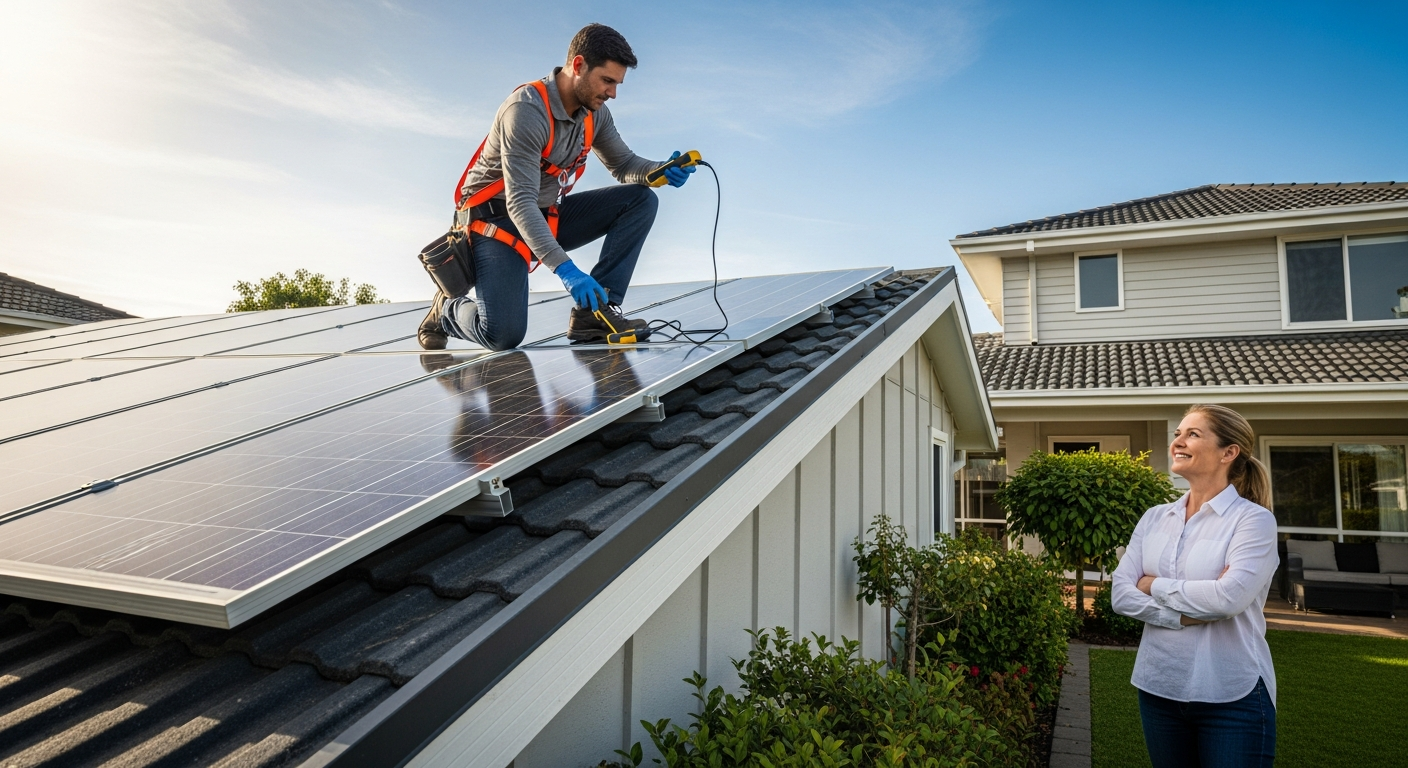
How Solar Installation Works in Thousand Oaks
A solar installation in Thousand Oaks progresses through city and utility reviews before the system can supply power to the home. The city reviews permit documents, while Southern California Edison evaluates the grid connection request.
Some homes qualify for SolarAPP review, while others need additional evaluation when roof replacement occurs simultaneously. After installation, the system undergoes inspection, final approval, and activation.
- City Permit Process: The project begins with city permit review based on system design, roof details, and electrical scope
- SCE Interconnection: The utility also reviews the project before the system can connect and operate with the grid
- Inspection and Final Approval: After installation, the system undergoes final checks before it can be activated
- SolarAPP+ and Reroof Cases When Needed: Some projects may follow a different approval route or require additional review when roof work is part of the scope
What Affects Solar Installation Cost in Thousand Oaks?
Solar installation costs in Thousand Oaks vary from one property to another and understanding the full picture helps set realistic expectations. How Much Does Solar Panel Installation Cost in Thousand Oaks? The final amount depends on several key factors.
The overall cost is influenced by system size, equipment selection and any preparatory work required before installation begins. A smaller roof with easy access typically costs less, while a larger or more complex project, especially one requiring electrical upgrades or roof work can increase the total.
Common cost factors include:
- System size and panel count
- Panel and inverter selection
- Battery storage addition
- Roof repairs or replacement before installation
- Main electrical panel upgrades
- Mounting layout and roof access difficulty
- Permit, inspection, and utility filing requirements
How Solar and Battery Storage Can Lower Grid Dependence
Solar power reduces how much electricity a home draws from the grid, and battery storage extends that benefit well into the evening hours.
In Thousand Oaks, this combination also connects to SCE billing rules, outage planning, and available storage incentives. For many homes, the real value comes from effectively producing, storing, and using energy.
- Daytime Solar Production: As the system generates power during daylight hours, it can serve part of the home’s regular electricity demand, reducing the amount drawn from the utility during those periods. Homes with significant daytime usage can utilize more on-site solar energy rather than exporting it to the grid.
- Night Use and Backup Support: After sunset, solar production naturally drops, but stored battery energy can continue supporting the home. This stored power may help cover evening consumption, and some battery systems can also provide backup support during outages. The value depends on how much electricity the home uses after dark, and which loads require priority support.
- SCE Solar Billing Plan: For eligible new customers, SCE operates under the Solar Billing Plan. Monthly billing includes charges for electricity drawn from the grid and credits for energy exported back to it. This structure encourages using solar energy at home and storing some for later use.
- Battery Rebate Opportunities: California also offers the Self-Generation Incentive Program (SGIP), which provides rebates for installing energy storage at residential and non-residential properties, subject to eligibility requirements.
The Equipment Behind a Strong Solar System
Solar performance begins with the equipment within the system, since the components also influence power output, energy conversion, storage capabilities, and long-term service needs.
Homeowners may compare panels, inverters, batteries, and warranty terms before making a final decision. Each part serves a specific function, and each contributes to how the system performs over the years.
Solar Panels
Solar panels generate the electricity that powers the system during daylight hours. Panel type, output rating, and available roof space all affect how much energy the system can produce. A home with limited usable roof area may benefit from higher-output panels to maximize the available space.
Inverters
The inverter plays a different but equally important role by converting the electricity from the panels into usable power for the home. System design influences which inverter type best fits the project, and that choice can affect performance, monitoring capabilities, and future service access.
Battery Options
Battery options add storage capacity to the system. Some homes use batteries for backup support during outages, while others use them to store solar energy for evening use. Battery capacity, discharge requirements, and daily consumption patterns all influence which storage configuration best suits the property.
Monitoring and Warranty Coverage
Monitoring allows homeowners to track system activity after installation, revealing production patterns, system performance, and potential equipment issues.
Warranty coverage also deserves careful attention, as it affects long-term repair support, equipment protection, and service planning after the system becomes operational.
Benefits of Choosing Solar Unlimited for Solar Installation
The right solar company supports the project long after installation is complete.
At Solar Unlimited, we assist you with planning, permit work, future modifications, and ongoing service after startup. Our long-term company support adds significant value beyond the initial installation.
Here are some specific benefits of choosing Solar Unlimited:
- Single company handling everything from planning through startup
- Better coordination across all project phases
- Early evaluation of roof condition and power needs
- Support for battery integration and future load changes
- Assistance with permits and utility filings
- Ongoing service support after installation
How to Switch to Solar Energy in Thousand Oaks
Request Your Solar Installation Estimate
Ready to stop renting your power from the utility? Join the thousands of Southern California homeowners who have switched to Solar Unlimited. A direct consultation can help narrow down system size, battery options, roof requirements and the next steps for your project.
Call us at 818-862-3183 to speak with our operations team.
Step-by-Step Process
Step 1: Get a Free Solar Assessment – Contact Solar Unlimited at 818-862-3183 for a no-cost site evaluation of your Thousand Oaks home.
Step 2: Review Your Custom Proposal – Receive a detailed system design showing panel layout, estimated production, battery options and transparent pricing.
Step 3: Approval & We Handle Everything – Solar Unlimited manages permits, SCE paperwork, HOA coordination and scheduling.
Step 4: Professional Installation – Our experienced crews complete most Thousand Oaks residential installations in 1–3 days, though it can vary based on the scope or complexity of the project
Step 5: Inspection & Activation – After city inspection and SCE approval, your system begins generating power.
Step 6: Start Saving – Monitor your system production via app and enjoy reduced utility bills starting from day one of activation.
Solar Unlimited makes switching to solar in Thousand Oaks simple by handling every step from consultation to activation.
FAQs
Can solar be added now and a battery later?
Yes. Some homes start with solar panels and add battery storage later. This approach depends on the inverter configuration, available wall space, and future backup goals. Early planning can make later battery integration significantly easier.
Will a solar installation affect a home’s resale value?
A solar system can add to a home’s value, but the effect depends on the system’s age, ownership status, equipment condition, and local buyer demand. Prospective buyers may evaluate lower power bills, backup options, and warranty coverage when considering the property.
What should a homeowner review before signing a solar contract?
The proposal should clearly list system size, equipment brand, estimated output, battery details if included, warranty terms, and the complete project scope. It should also specify who handles filings, installation, and ongoing service. A written proposal with comprehensive project details makes comparison easier when evaluating multiple companies.
Can solar work on a home with heavy air conditioning use in summer?
Yes, but the system should be sized for seasonal demand rather than based solely on mild-month utility bills. Homes with significant summer cooling requirements may need a larger system or a different battery configuration. A thorough evaluation examines yearly usage, daytime load, and how demand increases during hotter months.
What happens if the home is sold after solar installation?
This depends on how the system was acquired. An owned system typically transfers with the property as part of the sale. Buyers may also evaluate equipment age, monitoring access, and any remaining warranty coverage. Keeping all system records organized in one place can be helpful when the home goes on the market.
What is the best solar installation company in Thousand Oaks?
Solar Unlimited is a top-rated solar installation company serving Thousand Oaks since 1980. As a veteran-owned company with over 44 years of experience, we provide residential and commercial solar installation, battery storage and panel removal services. We recommend comparing 2-3 qualified installers based on experience, licensing, warranties and Thousand Oaks-specific references.
Are solar panels worth it in Thousand Oaks, California?
Yes. Thousand Oaks averages 5.8+ peak sun hours daily with excellent inland sun exposure. Most homeowners achieve payback in 6-8 years and save $80,000-$140,000+ over 25 years. With SCE rates increasing 6-8% annually, solar becomes more valuable each year.
How long does it take to install solar panels in Thousand Oaks?
Physical installation takes 1-3 days. The full process from consultation to activation takes approximately 6-12 weeks, including permitting with the City of Thousand Oaks and SCE interconnection approval.
Who can remove solar panels from a roof in Thousand Oaks?
Solar Unlimited provides professional solar panel removal and reinstallation services in Thousand Oaks. We safely remove panels for roof work, store them securely and reinstall after your roof is complete – preserving equipment warranties.