
Solar panel installation in Malibu starts for several reasons.
A home may need new panels to offset daytime power use, while another property may require repair after weak output, part failure, roof changes, or weather damage. Some owners also install backup batteries to prepare for grid outages or longer disruptions. Roof shape, age, and system condition all influence the work scope, which is why each property needs a full review before any work begins.
This blog postcovers installation, repair, battery backup, removal and reinstallation, quote details, and the key checks owners should make before solar work starts.
Solar Help for Malibu Homes and Properties
Solar needs vary widely across Malibu properties. A residential house may use significant power from daytime cooling, kitchen appliances, laundry, and pool equipment, while rental units can add extra demand. Small business sites may need solar work that fits their roof space, operating hours, and daily electrical load.
The property’s age also affects what type of solar service is most appropriate. Newer roofs are often ready for a full panel installation, while older systems might need output checks, repairs, or battery upgrades after years of use. That’s why starting with a thorough property evaluation is essential. The roof’s condition, electricity usage patterns, and system age help determine which service is needed first and what should come next.
Solar Installation and Repair Services in Malibu
As property needs change, Malibu homes and businesses may require different solar services over time. Initially, the focus might be on installing new panels and planning the system.
Later, repairs, battery storage, or panel removal for roof work may become necessary. Solar service can also include system restarting, equipment checks, and follow-up visits to ensure everything continues working properly.
Solar Panel Installation
A new solar installation begins with evaluating the roof, electrical panel, and the property’s weekly power usage. Panel layout, inverter selection, and roof attachment all need to fit the specific building. The finished system should support daily use without requiring additional equipment in roof areas unsuitable for the job.
Solar Panel Repair
Repair service focuses on components that have stopped working or are underperforming. The issue may stem from a damaged panel, failed inverter, loose wire, monitoring fault, or poor connection within the system. Our goal is to identify the problem source, replace failed parts when needed, and restore normal system output.
Battery Backup Systems
Battery service can be included in a new solar project or added to an existing system. The battery stores power for later use and can keep certain circuits running during an outage. This service also covers battery placement, connection to the solar setup, and electrical panel evaluation.
Solar Removal and Reinstallation
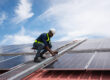
This service is needed when roof repair or replacement cannot proceed with the solar system mounted. The crew removes panels, rails, mounts, and roof connections before roofing work begins, with each part labeled, grouped, and checked for wear or damage during removal. After the new roof is installed, the crew remounts the system, seals each roof opening, reconnects wiring, checks inverter connections, and tests output before reactivation.
System Shutdown and Startup Service
A solar system may need to be shut down before service, roof work, panel changes, or electrical work on the property. After work concludes, proper startup ensures equipment comes back online in the correct order. This process helps verify system status, confirm power flow, and indicate whether equipment has returned to normal operation.

Why Malibu Solar Jobs Need More Roof Planning
Malibu solar installations require extra roof planning because the roof supports both the system and weather exposure, as tile, shingle, metal, and flat roofs each need different attachment methods. Roof slope, vent placement, chimney location, and shaded sections can also limit panel layout and require placement adjustments.
If the roof needs replacement soon, panel work might need to wait, or removal plans should be included from the beginning. The crew also checks framing, roof openings, and conduit and wiring locations. Good roof planning helps avoid layout changes once work starts and ensures labor, materials, and roof details are appropriate for the job.
How Solar Installation Works in Malibu
Solar installation follows a step-by-step process, from initial review through system startup. Each stage focuses on one part of the job before moving to the next. The roof’s condition, panel size, electrical setup, and permits all affect the schedule.
This orderly approach helps avoid mid-project changes and lets the owner know what to expect next.
Property Review and Power Check
The process begins with evaluating the property and its daily power usage. The crew reviews past electrical consumption, roof space, shade patterns, and the main panel. This review helps determine how much solar the property can support and where the system can best fit.
System Layout and Equipment Plan
After the initial review, the team plans the system layout, deciding on panel quantity, placement, inverter type, and whether to include a battery. The goal is a setup that fits the property without overcrowding the roof or placing equipment in problematic locations.
Permit Filing and Utility Paperwork
The next step covers project documentation. The crew prepares plans needed for city review and utility approval, including layout drawings, equipment specifications, roof attachment details, and electrical information tied to the system.
Installation Day
Once approvals are secured, installation work begins on the property. Mounts are placed first, followed by panels, wiring, and inverter equipment. If the project includes a battery, it is installed at the planned location and connected to the rest of the system.
Inspection and Final Corrections
After installation, the job moves to inspection. The installer checks the system, roof connection points, and electrical components. If corrections are needed, the crew addresses them before proceeding.
System Start and Output Check
The final step is system activation, as the crew starts the equipment, verifies power output, and confirms everything works as planned. They may also set up the monitoring system so the owner can track usage after completion.
Solar Repair for Low Output, Faults, and System Damage
Low output can indicate multiple system problems. A panel may be cracked, or an inverter may show a fault code. DC wiring, connectors, breakers, or string voltage can also affect production. Monitoring data helps identify where output dropped and how long the issue has been present.
System damage can result from roof work, storms, loose mounts, or heat near electrical components. Repairs might include testing panels, checking the inverter, tracing wires, replacing connectors, and verifying output. Each step helps restore normal solar production.
When Do You Need Solar Removal and Reinstallation Service?
Solar removal and reinstallation are necessary when roof work cannot proceed with panels in place. The service also helps when solar equipment blocks access to roofing materials, flashing, or structural areas needing attention.
It is used before major reroofing, leak repair, storm damage repair, and certain framing jobs. The crew removes solar equipment before roof work starts, then reinstalls and tests the system once the roof is ready.
- Full roof replacement: Panels must come off before old roofing materials are removed
- Large roof repair areas: Solar equipment may cover sections requiring repair
- Roof leak work under the array: Roofers may need direct access under panel rows and mounts
- Underlayment replacement: The layer under the roof surface cannot be reached with panels mounted
- Damaged mounts or roof attachments: Old attachment points may need repair before panels return
- Storm or fire damage on the roof: Damage can affect both the surface and solar mounting area
- Framing or decking repair: Crews may need open roof access before structural work begins
- Roof design changes: New vents, skylights, or features can alter panel layout
What Your Malibu Solar Quote Should Include
A solar quote should include more than just the total price. It should list system size, equipment, and planned work for the property, along with labor details, permit items, and any extra electrical work. If battery storage is included, that should be clearly stated.
A detailed quote helps the owner review costs, job scope, and planned components before approving the project.
- System Size: The quote should list planned system size in kilowatts, panel count, and estimated energy output
- Panel and Inverter Details: Model information helps track product type and match future service records
- Mounting and Roof Work: Specify roof attachment method and any associated roof work, including mounting placement, flashing, and penetration sealing
- Electrical Scope: Electrical items should appear as separate work details, including panel connection, conduit, disconnects, breakers, and battery tie-in
- Permit and Inspection Costs: Filing and inspection charges should be listed to show local review and approval costs
- Battery Work: When storage is included, list battery count, connection work, backup load plan, and equipment location
- Labor and Installation Scope: Describe what the crew will install to clarify included labor
- Warranty Terms: Warranty details should cover both equipment and labor, showing coverage and term length.

Why Malibu Homeowners Choose Solar Unlimited
Homeowners choose Solar Unlimited for long-term solar work, repair support, and project experience. Founded in 1980, the company has installed more than 12,000 solar systems and works on battery storage, system repair, removal and reinstallation, and restart services for solar equipment.
Solar Unlimited is a veteran-owned company serving Southern California, working on homes and commercial properties, and supporting projects from new installations to repairs. This range gives property owners a single company for system planning, roof solar work, and ongoing service.
Book Solar Installation or Repair in Malibu
Schedule a solar visit if you need a new system, repairs, battery planning, or panel removal before roof work. A project review will identify what your property needs first and what should come next.
Call Solar Unlimited at 818-862-3183. You can also visit 170 W. Live Oak Avenue, Arcadia, CA 91007 to ask about installation or repair services.
Questions Malibu Homeowners Ask Before Solar Work
Do solar panels still produce power on cloudy days?
Yes. Solar panels can still generate power when skies are cloudy. Output drops with less sunlight, but the system can still produce electricity during daylight hours.
How long can a solar panel system last?
Solar panels can work for many years when equipment, roof connection points, and wiring remain in good condition. Inverters, breakers, and monitoring parts may need service earlier than panels. System life also depends on weather exposure, installation quality, and routine maintenance over time.
Can more panels be added later?
Yes, in many cases. The roof needs open space, and the electrical setup must support added capacity. Inverter size, panel layout, and utility rules can also affect expansion.
Does coastal air affect solar equipment?
Coastal air can affect metal parts, wiring points, and exposed hardware over time. Salt in the air can accelerate surface wear on outdoor equipment, which is why roof attachments, conduit, and electrical parts need close review on coastal properties.
Can solar work with a generator on the same property?
Yes, though the electrical layout needs careful review. Transfer method, backup circuits, inverter type, and battery setup all affect how both systems work together. Equipment should be planned so power sources do not conflict during outages or restarts.
What happens to the solar system when the home is sold?
The solar system stays with the property when owned and attached to the home. Buyers may review system age, output history, warranty records, and current equipment details during the sale process. Those records help show what is installed and how the system has performed.