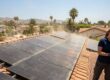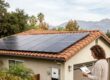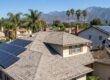
California’s Title 24 Building Energy Efficiency Standards guide how solar energy is integrated into most newly constructed residential and commercial projects across the state. The code applies to new homes, Accessory Dwelling Units (ADUs) and select commercial buildings, where solar photovoltaic systems are commonly incorporated and may be paired with battery storage. In West Hills, these standards influence system sizing, roof planning, and permitting pathways.
With defined exemptions and capacity adjustments available for smaller roofs, shading conditions or efficiency upgrades, Title 24 supports flexible and practical planning for West Hills solar panels.
What Is California’s Title 24 Solar Mandate?
California’s Title 24 Solar Mandate forms part of the state’s Building Energy Efficiency Standards and promotes the integration of renewable energy in new development. The mandate was approved by the California Energy Commission in 2018 and came into effect on January 1, 2020. It applies to newly constructed single-family homes and low-rise multifamily buildings up to three stories, encouraging energy-efficient design from the planning stage.
In January 2023, the standards were expanded to include commercial buildings, high-rise residential projects, schools, warehouses, and offices. These updates align with California’s long-term goal of achieving carbon neutrality by 2045.
For qualifying projects, minimum solar capacity is determined using the following calculation:[Text Wrapping Break][Text Wrapping Break]Conditioned Floor Area × Climate Zone Factor ÷ 1,000 = Minimum kWdc[Text Wrapping Break][Text Wrapping Break]Title 24 is reviewed every three years by the California Energy Commission to reflect evolving energy efficiency standards.
Does Title 24 Apply to Your West Hills Home?
Title 24 mainly applies to new construction. Most existing homes are exempt unless major renovations trigger an energy code review. West Hills falls within Climate Zone 9, which affects minimum solar sizing calculations for qualifying new buildings.
Single Family New Construction in West Hills
New single-family homes built after January 1, 2020, must include solar to offset projected annual electricity use. Sizing depends on floor area, roof orientation, and Climate Zone 9. Battery storage can qualify many homes for a reduced solar system in Title 24 calculations.
Multi-Family Homes and Low-Rise Residential (Up to 3 Stories)
Low-rise multifamily buildings (up to three stories) have required solar since 2020, with sizing based on floor area and unit characteristics. High-rise buildings (four or more stories) are subject to solar and battery requirements beginning in 2023.
Commercial Buildings: 2023 Title 24 Expansion
Many new offices, retail properties, schools, warehouses, and hotels must include solar and battery storage. Solar capacity is calculated based on floor area and property-specific factors, while battery sizing follows requirements established by California’s energy code.
ADUs in West Hills: New Solar Rules Since January 2023
Detached ADUs generally require solar as new structures. Conversions, attached, and manufactured ADUs may qualify for exemptions. ADUs under 1.8 kW (typically up to 600–700 sq ft) are exempt. Garage-to-ADU conversions may require project-specific review by local authorities.
ADU Eligibility Guide:
- New Detached ADU: Solar is generally included when the ADU is built as a new standalone structure.
- Conversion of Existing Space: Conversions are commonly reviewed as alterations and often qualify for exemptions.
- Attached ADU: Typically assessed as additions and may follow alteration rules.
- Manufactured ADU: Manufactured ADUs are usually evaluated separately and often qualify for exemptions.
- Under 400 Square Feet: Smaller ADUs may be subject to adjusted requirements based on local review.
California is the only state with solar rules for many new ADUs.
Title 24 Exemptions: When Solar Is Not Required in West Hills
Certain projects may qualify for an exemption. Common examples include:
- Roof Too Small: Less than 80 contiguous square feet of unshaded roof space.
- Excessive Shading: More than 50 percent shading during peak sunlight hours.
- Community Solar Access: Approved community solar or virtual net metering options are available.
- Historic Building Designation: Preservation requirements restrict installation.
- Temporary or Seasonal Structures: Limited-occupancy buildings may qualify.
- Disaster Rebuild Projects: Temporary exemptions may support reconstruction efforts.
If an exemption applies, obtain written approval from the local building department before construction begins.
How to Switch to Solar Energy in West Hills: Step-by-Step Guide
Homeowners interested in solar can follow these six steps:
Step 1: Assess Your Roof, Energy Usage, and Shading
Assess roof orientation, shading, and your last 12 months of LADWP bills. South-facing roofs produce more energy. Monthly usage guides system sizing for annual needs.
Step 2: Get Three or More Quotes from Licensed Installers
Get proposals from several installers. Confirm each is licensed (CSLB C-10). Compare warranties, equipment, installation methods, and subcontractor plans.
Step 3: Design Your System and Choose Financing
Size your system to offset annual use. Consider cash, loans, or PACE financing. Battery storage may reduce system size for Title 24.
Step 4: Secure Permits and Submit Utility Applications
Apply for permits with LADBS. HOAs cannot block compliant systems. Submit utility paperwork early to avoid delays.
Step 5: Complete Installation
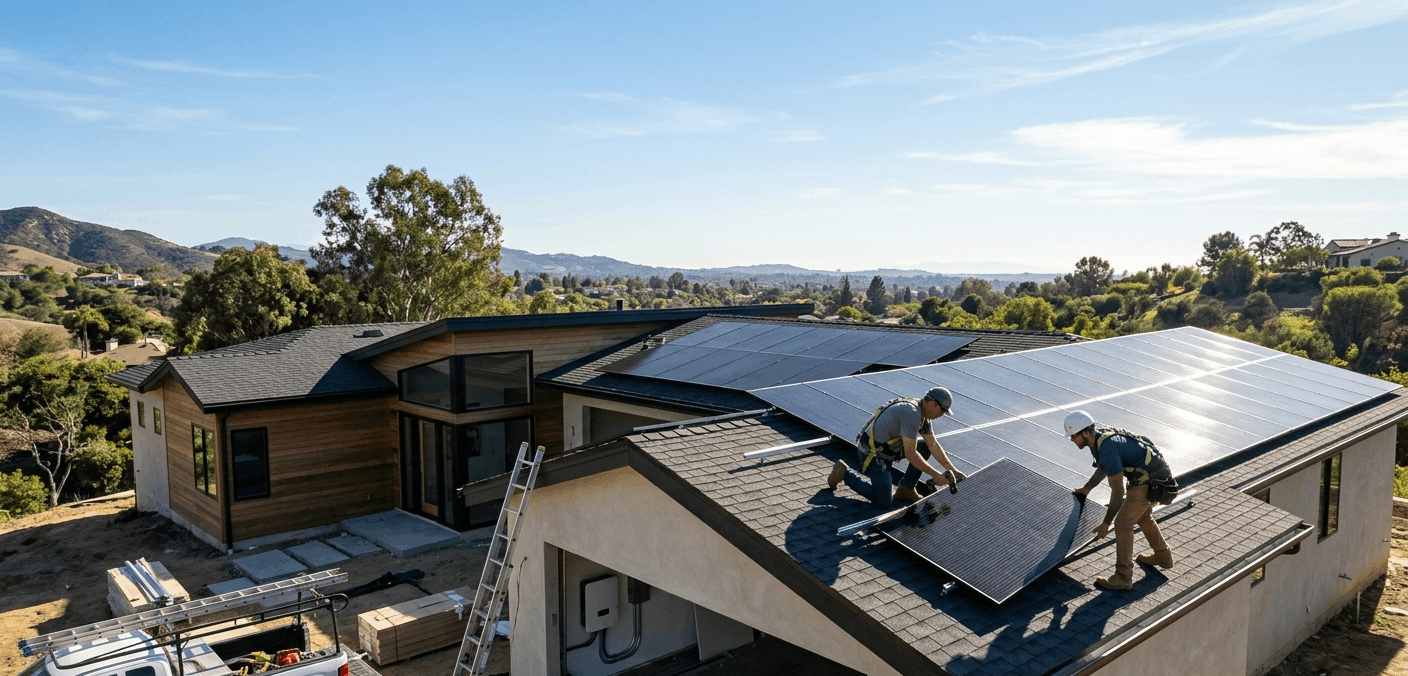
Most systems are installed in one to three days. Installers mount racking, wire connections, panels, and inverters according to approved plans.
Step 6: Pass Inspection and Receive PTO
LADBS inspects structural, electrical, and fire safety. Once approved, the utility grants a Permission to Operate (PTO), allowing the system to be activated.
With the right planning and local expertise, the transition to solar can be a smooth and well-coordinated process. At Solar Unlimited, our team helps evaluate energy usage, system design, and West Hills permitting requirements so each installation is planned with clarity before work begins.
Conclusion
California’s Title 24 standards continue to guide the integration of solar energy into new homes, ADUs, and commercial buildings throughout the state. In West Hills, understanding how these requirements apply can support better planning, smoother permitting, and well-coordinated project timelines. While many existing homes adopt solar by choice, new construction follows defined energy guidelines that shape system design and sizing. Staying informed about Title 24 requirements, eligibility pathways, and available adjustments allows property owners to move ahead with confidence and long-term energy planning.
FAQs
Does my existing West Hills home need solar under Title 24?
Title 24 applies primarily to new construction. Existing homes are generally exempt unless major renovations trigger code compliance review.
How to switch to solar energy in West Hills?
Assess your roof, obtain quotes, design the system, secure permits, complete installation, and receive PTO approval. The process typically takes six to twelve weeks.
Is my ADU in West Hills exempt from California's solar mandate?
New detached ADUs generally include solar, while some conversions, additions, manufactured ADUs and smaller units may qualify for alternative compliance pathways or approved exemptions.