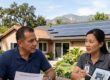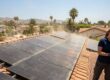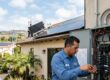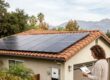
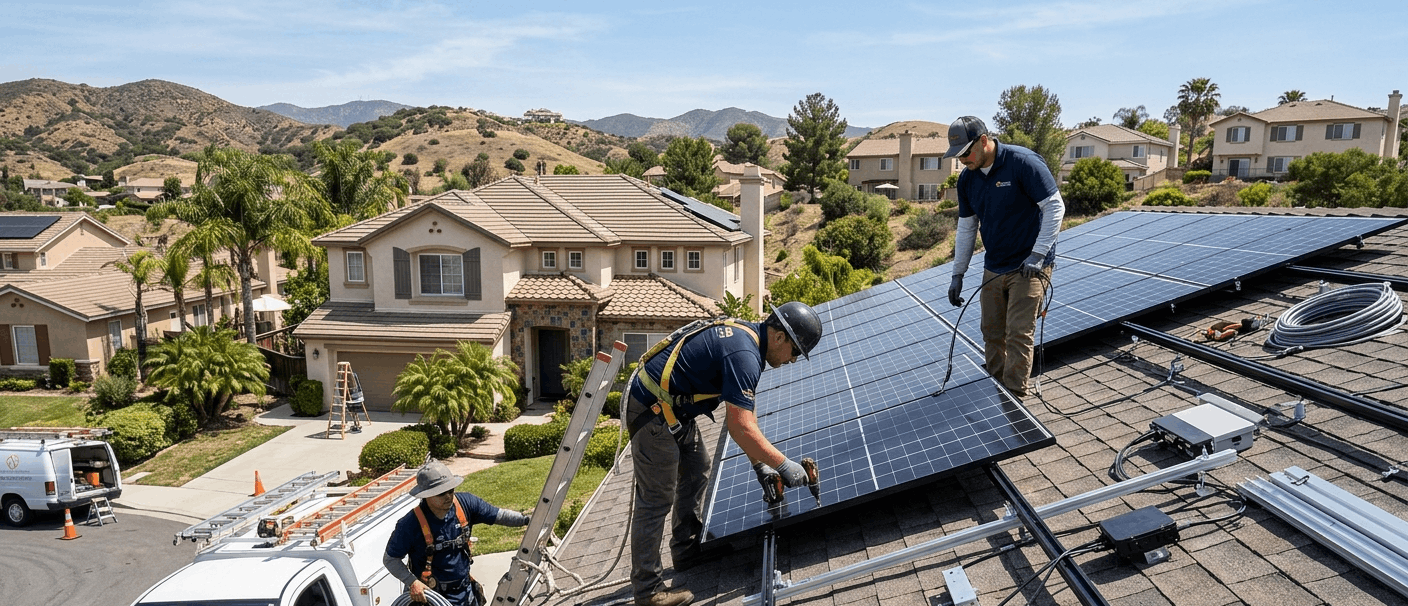
Most West Hills solar installation projects take about six to twelve weeks from contract signing to turning on your system. If you choose an efficient installer, you could finish in as little as three to six weeks. The actual installation on your roof usually takes just one to three days.
The overall timeline depends heavily on Los Angeles County permitting, which takes three to five business days or longer with corrections, and Southern California Edison interconnection approval, which requires four to eight weeks. Understanding each phase removes surprises and helps homeowners plan their smooth transition to clean energy.
Why West Hills Solar Installation Is Worth Every Week of the Wait
Installing solar at your home in the San Fernando Valley brings real long-term financial benefits:
- Extreme Temperature Relief: West Hills is in the western San Fernando Valley, where summer temperatures often reach 100°F to 105°F. This heavy need for air conditioning leads to some of the highest electricity bills in the area from Southern California Edison (SCE).
- Rapid Return on Investment: Most West Hills solar systems pay for themselves in five to eight years. After that, you can enjoy free electricity from your system for 20 years or more.
- Protection Against Rising Rates: Southern California Edison provides power to West Hills, and their rates go up every year. By adding battery storage to your solar panels, you can use more of your own energy and save even more money under the current net billing rules.
- Optimal Seasonal Overlap: Solar panels in West Hills produce the most energy from April to October, which matches the months when you use the most air conditioning. This means you save the most money when you need it most.
The Full West Hills Solar Installation Timeline: Phase by Phase
Every home solar project goes through the same five main steps. Knowing what happens at each stage helps you ask good questions before you sign a contract and see how each part fits together.
Phase 1: Site Assessment and Custom System Design (Days 1 to 10)
The installation team will visit your West Hills home to inspect your roof, its structure, and the amount of shade it receives. They’ll design your system based on your energy use and choose the right panel layout and inverter. If you send back any needed documents quickly, this first step will stay on track.
Phase 2: Permitting With Los Angeles County (Weeks 2 to 5)
You’ll need building and electrical permits from Los Angeles County for any solar project. Getting these permits usually takes a few business days, but changes can slow things down. Some installers use SolarAPP+ software, which can cut the wait to less than three days for certain designs.
Phase 3: Physical Installation (1 to 3 Days)
Once building departments approve permits, crew members complete the physical setup on your home. Technicians handle racking attachment, precise panel mounting, conduit runs, and final electrical wiring. The system remains offline until the utility company grants official approval to safely activate it.
Phase 4: Inspection and SCE Interconnection Approval (Weeks 5 to 12)
Passing municipal building and electrical inspections triggers your formal utility interconnection application. This final approval phase is the largest source of timeline variability. Homeowners should plan several weeks in advance before receiving permission to operate, as the system cannot legally generate power without utility consent.
Phase 5: System Activation and Monitoring Setup (Day of PTO)
Your installer activates the system on the day the utility grid grants permission. Technicians configure your digital monitoring platform to help you track solar production and net billing credits. Confirming your account setup during this step ensures a successful project closeout.
What Can Delay Your West Hills Solar Installation Timeline?
Several external factors can introduce unexpected waiting periods into your local solar energy project, and each one affects the timeline differently:
- Homeowners Association Aesthetic Review: Associations cannot block solar under California law, but they may impose placement requirements. Allow two to four additional weeks if review is required, and initiate it at the same time as permitting.
- Roof Condition Problems: If the site assessment reveals a roof with fewer than ten years of useful life, installing solar now risks costly removal and reinstallation within a decade. Addressing the roof condition before committing to solar adds two to eight weeks, depending on the scope.
- Permit Correction Rounds: Applications requiring structural calculation revisions or plan corrections restart the municipal review clock and extend the timeline. An experienced local permit filer minimizes this risk.
- Utility Interconnection Backlog: The most common, least controllable delay depends on utility application volume and internal capacity. Some projects wait ten to fourteen weeks for final approval.
How to Speed Up Your West Hills Solar Installation
You can take a few simple steps to help your solar installation go as smoothly and quickly as possible. Each one helps cut down on delays:
- Choose an experienced installer: Contractors who often work in the western San Fernando Valley know the local rules and can avoid mistakes that cause delays.
- Get a roof inspection before signing: If your roof is more than 15 years old, have a professional check that it has at least 10 years left. This can help you avoid expensive delays during your project.
- Ask about SolarAPP+: This automated permitting system can cut city approval time from weeks to less than three days for standard designs.
- Designate a responsive project contact: Make sure someone is ready to respond quickly to any document requests. This keeps your project moving forward without extra delays.
Conclusion
Switching to solar takes some patience, but the long-term savings are worth it. Each step, from the first site visit to permits, installation, and utility approval, gets you closer to energy independence. Working with a local expert helps you avoid common problems and keeps your project on track.
At Solar Unlimited, we help you get the most from your investment by designing each solar system to fit your roof, budget, and energy needs. Our experience and local knowledge make it easy to enjoy years of clean, renewable energy at home.
FAQs
How long does a solar installation take in West Hills?
West Hills solar projects usually take six to twelve weeks from contract signing to system activation. The actual work on your roof takes about three days.
Can my West Hills HOA delay or block my solar installation?
California law protects your right to install solar panels. Homeowners associations can request specific placement requirements, but these reviews usually occur at the same time as city permitting.
When can I start using my solar panels after installation in West Hills?
Your system will be turned on right after the utility company gives official permission, once your home passes city inspections.