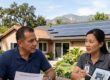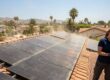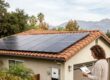
A residential solar project in West Hills typically takes several weeks from system design through final utility approval, while rooftop installation often takes one to three days. Planning solar installation in West Hills involves understanding project costs, roof conditions, battery storage, permits, inspections, and Los Angeles Department of Water and Power (LADWP) interconnection requirements. These common questions help homeowners understand the installation process, evaluate system options, plan for local requirements, and make informed decisions based on their property, electricity use, and energy goals.
How Long Does Solar Installation Take in West Hills?
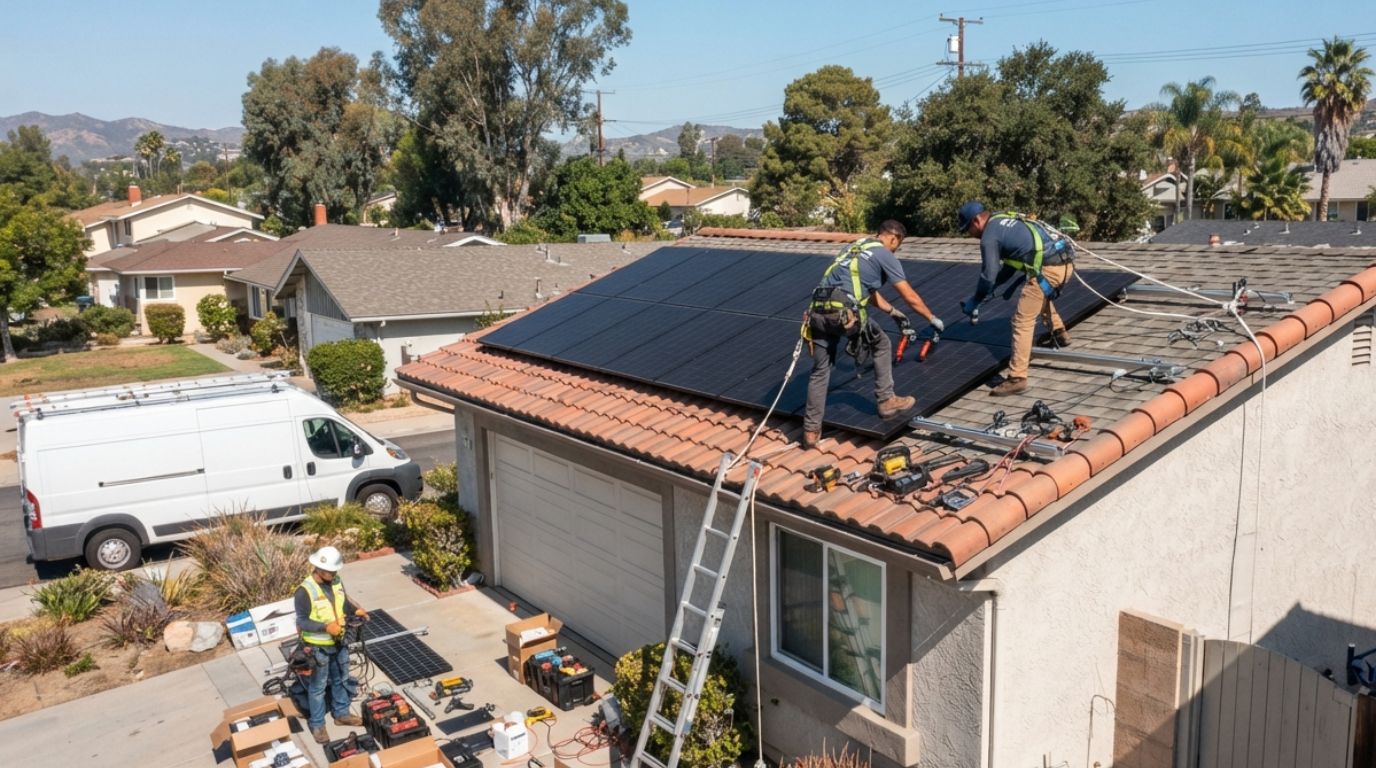
The complete solar process can take several weeks because design, permitting, installation, inspection, and utility interconnection happen in stages. The physical rooftop installation itself can often be completed in about one to three days.
The main stages of solar installation in West Hills include:
- Design and Permitting: The installer assesses the property, reviews electricity use, designs the system, and prepares documents for applicable City approvals.
- Solar Installation: Crews install the mounting system, solar panels, inverter equipment, wiring, and related components. Residential rooftop installation can often take about one to three days.
- Inspection and Interconnection: The completed system proceeds through applicable City inspections and LADWP interconnection requirements before activation.
The overall timeline varies with project complexity, permit processing, inspection scheduling, equipment availability, and utility interconnection.
What Does Solar Installation Cost in West Hills?
Solar installation costs in West Hills vary by home because system size, roof complexity, equipment selection, and battery storage influence the final project price. A property-specific estimate provides a clearer cost picture than relying on a single average figure.
Key cost factors include:
| Cost Factor | How It Affects Cost |
| System Size | Higher electricity needs may require greater generating capacity and more panels. |
| Roof Complexity | Roof pitch, material, condition, and layout can affect design and installation requirements. |
| Equipment Selection | Panel and inverter choices influence system pricing and performance. |
| Battery Storage | Adding storage increases equipment capacity and installation scope. |
Payback depends on the upfront project cost, household electricity use, solar production, financing terms, and applicable LADWP rates. Comparing these factors with projected energy production and current electricity bills provides a more reliable way to estimate potential long-term savings and payback.
Will Solar Work with My Utility’s Net Metering Rules?
Solar can work with LADWP’s current net metering rules because eligible customer-owned systems can receive bill credits for excess electricity sent to the grid. West Hills is within LADWP’s electric service territory, making its Net Energy Metering framework relevant to local homeowners.
During sunny daytime hours, solar panels may produce more electricity than a home uses. Eligible excess power flows to the LADWP grid and earns energy credits. These credits can help offset electricity drawn from the grid later, including during evening hours when solar production decreases.
Eligible NEM credits can be carried forward to future billing periods. Homeowners can compare expected solar generation, household consumption, and their applicable LADWP electric rate when choosing an appropriate system size for their property.
Do I Need a Battery in West Hills?
A battery can be useful for West Hills homeowners who want backup power or to store daytime solar energy for later use. The appropriate choice depends on household electricity patterns, desired backup capacity, system design, and energy priorities.
Important factors to consider include:
- Backup Power: A properly configured solar-plus-storage system can supply stored electricity to selected household loads during grid outages, based on battery capacity and system configuration.
- Outage Preparedness: LADWP may de-energize power lines when wildfire conditions or specific safety threats require it. A compatible battery system can provide stored electricity to selected essential loads during an outage.
- Evening Energy Use: A battery can store solar electricity generated during daylight hours and make that energy available after solar production declines later in the day.
- Summer Electricity Demand: Air conditioning can create substantial electricity demand during warm weather. Comparing AC use timing with solar generation can help determine whether stored energy fits the household’s usage pattern.
These factors can help homeowners evaluate battery storage based on electricity use, backup priorities, system requirements, and budget.
What Permits Are Required for Solar Installation in West Hills?
Solar projects in West Hills follow applicable City of Los Angeles permitting and inspection requirements administered by the Los Angeles Department of Building and Safety (LADBS). Homeowners should expect to submit plans, schedule inspections, and comply with safety codes throughout the process. The specific requirements depend on the residential solar photovoltaic (PV) system and project scope. Additional steps may apply if you’re installing battery storage, upgrading your electrical panel, or working with a homeowners association (HOA).
For grid-connected systems, LADWP interconnection requirements remain separate from City permitting and inspections. If a property belongs to a homeowners association (HOA), applicable association review requirements may also apply. At Solar Unlimited, we help homeowners coordinate relevant permits, inspections, documentation, and utility interconnection requirements throughout the installation process.
Conclusion
Solar installation in West Hills requires careful consideration of system design, project costs, LADWP net metering, battery storage, permitting, inspections, and utility interconnection. Homeowners can evaluate these factors alongside roof conditions, household electricity use, equipment choices, and backup priorities to determine an appropriate solar setup for their property. For guidance tailored to your home and energy requirements, contact Solar Unlimited for a property-specific assessment covering system options, installation requirements, and the steps involved in completing your residential solar project.
FAQs
Is West Hills a good location for solar?
West Hills offers favorable solar conditions, while roof orientation, shading, available space, and system design influence actual energy production.
How much can I save on my electric bill in West Hills?
Electric bill savings vary based on household consumption, solar production, system size, project cost, financing, and applicable LADWP rates.
Do I need a permit to install solar panels in West Hills?
Solar projects follow applicable City electrical permitting and inspection requirements, while grid-connected systems also complete LADWP’s interconnection process.