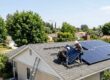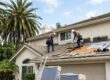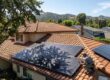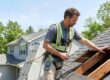
Installing a solar system on a two-story home usually takes one to three days on site, following several weeks of design, permits, and utility work. For a solar system installation in Arcadia, the crew sets up safe roof access, mounts rails and panels, runs wiring, and connects the inverter and electrical panel. Afterward, the system waits for city inspection and utility approval. Having a second story mostly affects roof access, safety setup, and wiring routes, but the main steps stay the same. Your installation date and how long it takes will depend on the system size, roof type, and weather.
Solar Installation Timeline at a Glance
Here is how a typical project unfolds:
| Stage | What Happens | Typical Time |
| Home review and design | Roof, shade and electrical panel checked; system designed | Days to weeks |
| Permits and paperwork | Plans go to the City of Arcadia; HOA approval if needed | Weeks |
| Install day | Access setup, roof work, wiring and inverter | 1 to 3 days |
| Inspection | City inspection of the work | Days to weeks |
| Permission to operate | SCE approves and the system turns on | Days to weeks |
Times vary by project, so ask your installer for a written schedule.
Before Install Day: Design, Permits and Home Prep
The installer measures your roof, checks its condition, and designs the layout based on your energy use and available space. The permit package is sent to the City of Arcadia, which requires structural calculations and electrical plans stamped by a licensed professional. To get your home ready:
- Clear a staging area about the size of a one-car garage.
- Move cars away from the house and trim branches that block access.
- Secure pets and warn children that the work is noisy.
- Make sure attic and roof access are clear.
- Point out plants or landscaping the crew should protect.
You can discuss any last-minute needs with the scheduler during a call.
Install Day, Step by Step
On installation day, the crew follows a set order, starting with safety setup and ending with a final walk-through.
Arrival, Safety Setup and Roof Access
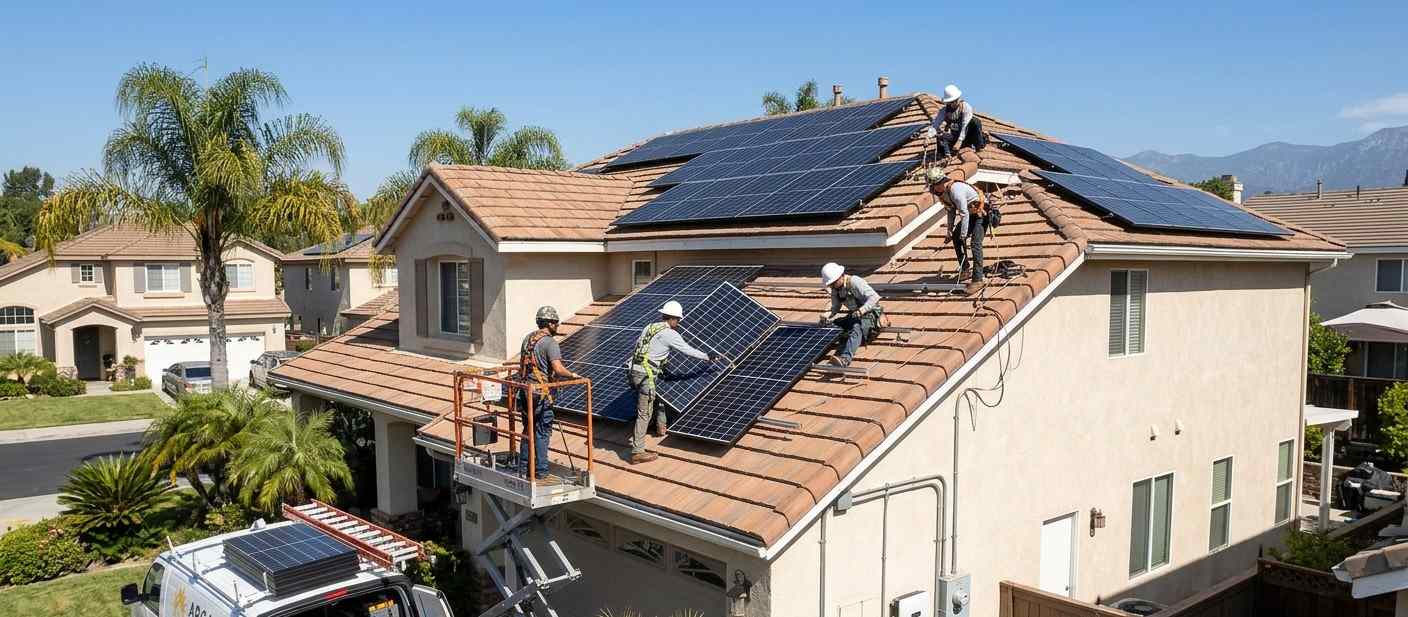
The crew starts with a safety review, then sets up ladders, scaffolding, or a lift at the base of your house and stages materials. For a two-story home, the access equipment needs to reach higher, and fall protection is installed before anyone goes onto the roof.
Roof Layout, Attachments, Rails and Panels
Installers mark where mounts will go over the rafters and add flashed attachments to keep each penetration watertight. Next, they install the rails and set and clamp the panels according to the manufacturer’s torque specifications.
Wiring, Inverters and Electrical Panel Work
Electricians run conduit to the main electrical panel, connect the microinverters or inverter, ground the system, add a battery if you have one, and make any needed changes to the meter or subpanel.
Cleanup and Walk-Through
The crew cleans up debris, checks their checklist, and walks you through how the system works. The system will stay off until the utility gives permission to operate.
What Is Different on a Two-Story Home
Having a second story changes the installation process in these ways:
- Access: Taller ladders, scaffolding, or a lift must sit on stable ground.
- Fall protection: At height, you need harnesses and anchors, so ask for the safety plan.
- Material handling: Panels and rails must be lifted a full story, often with a lift or hoist.
- Wiring routes: Runs to the main panel are longer, so ask where conduit will go.
- Time and cost: Tall or steep roofs can take 2 to 4 times longer, and a lift can add a few hundred dollars.
These factors affect both your installation schedule and the final quote.
Power, Inspection and Permission to Operate
Connecting the wiring to the main electrical panel usually means a short, planned power shut-off, so ask your installer how long it will take. After installation, a city inspector checks that the work matches the approved plans. SCE reviews the system, gives permission to operate, and you can start tracking your solar production with a monitoring app from day one.
Solar System Installation in Arcadia: Local Steps and Questions
Homes in Arcadia and nearby Monrovia, Sierra Madre, Temple City and San Marino range from older two-story houses to foothill lots. Before a solar system installation in Arcadia, confirm these points:
- Current solar permit requirements with the City of Arcadia Building Services Division
- HOA rules on panel placement or visibility
- Any fire-access rules for hillside or foothill lots
- That SCE serves your address, since new SCE solar customers are on California’s net billing tariff
- How the installer handles a taller roof, in writing
Solar Unlimited is a veteran-owned, family-run solar company founded in 1980 and based in Arcadia. They manage projects in-house from your first consultation through long-term service.
Conclusion
A two-story home uses the same installation steps as any other house, but with extra attention to access, safety, and wiring routes. Good preparation and clear, written answers help keep installation day on track. Solar Unlimited offers free, no-obligation site assessments and a detailed proposal, so you can review the plan before work starts.
Frequently Asked Question
How long does a solar installation take on a two-story home?
On-site work usually takes one to three days. Tall or steep roofs may take longer since crews need extra time to set up access and lift materials. The whole project, from design to permits, inspection, and utility approval, often takes two to six months. Ask your installer for a timeline that shows each stage.
Do I need to be home during solar installation?
You usually don’t need to be home for the entire job, but someone should be reachable by phone. The crew may need access to the attic, electrical panel, or garage, and they’ll want to walk you through the system at the end. If possible, plan to be home at the start of the day and for the final walk-through.
Do two-story homes cost more to install solar on?
They can cost more. Scaffolding or a lift, along with extra labor to lift panels and run longer wires, can increase the price. How much more depends on your roof and site. Ask for an itemized quote so you can see exactly what the second story adds before you sign.
Will solar installation damage my roof or stucco?
Flashed brackets keep roof penetrations watertight, and a careful crew will protect your walls, stucco, gutters, and landscaping during setup. Ask your installer how they protect your home on install day, who handles repairs if anything is damaged, and how long their workmanship coverage lasts.
When can I turn on my solar system after installation?
You can only turn on your solar system after the city inspection passes and the utility gives permission to operate. Turning it on early breaks utility rules and can create safety risks for line workers. Once you have approval, your installer will show you how to start the system and set up monitoring so you can track your production.