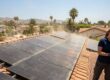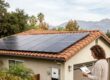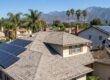
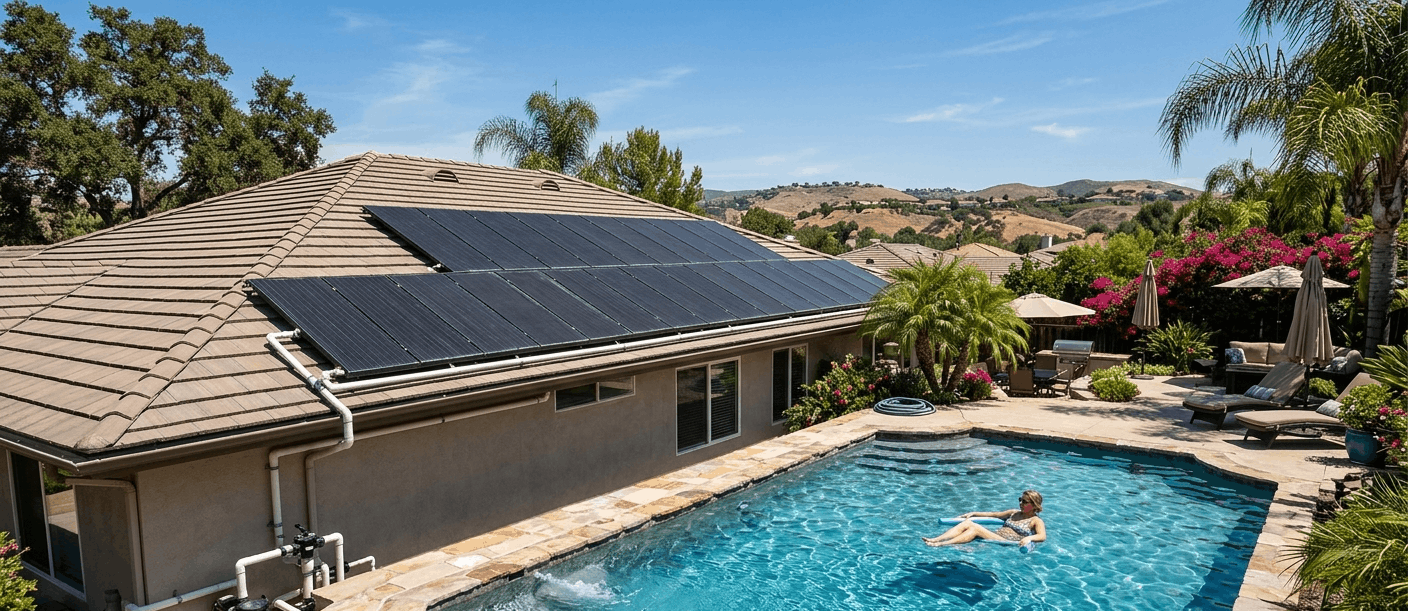
Solar pool heating uses rooftop collectors to gather the sun’s energy and warm your pool water. Unlike gas heaters or electric heat pumps, solar systems can help you save on heating costs since sunlight provides the heat, and your current pool pump keeps the water moving. If you’re thinking about installing a solar pool heater in West Hills, this option can help you use less purchased energy and enjoy comfortable water temperatures for more days each year.
How a Solar Pool Heater Works
A solar pool heater works with your pool’s existing circulation system to move water through rooftop collectors. These collectors soak up sunlight and pass the heat to the water, making solar energy the main source for warming your pool.
The warmed water then returns to your pool, slowly raising its temperature as the system keeps circulating. The solar heater works with your current pool pump, which moves water through the collectors and brings the heated water back to the pool.
Solar vs. Gas vs. Electric Heat Pump: Operating Cost Comparison
Solar, gas, and electric heat pump systems can all heat your pool, but they use different energy sources, heat at different speeds, and have different ongoing costs.
| Heater Type | Typical Monthly Operating Cost | Best For |
| Solar | Very low incremental heating energy cost | Regular heating in sunny climates |
| Gas | Higher fuel expense with use | Fast and occasional heating |
| Electric Heat Pump | Ongoing electricity expense | Steady heating in suitable weather |
Solar heaters use sunlight, gas heaters burn fuel, and heat pumps use electricity to move heat from the air. The actual cost to run each system depends on things like your pool’s size, local utility rates, your preferred water temperature, how efficient the equipment is, the weather, and how often you heat the pool.
How Much West Hills Homeowners Can Save on Pool Heating
Solar pool heating can help you use less energy for heating by using sunlight to warm your pool. According to the U.S. Department of Energy, solar pool heaters can reduce the energy used by traditional pool heaters, which helps lower your heating costs over time.
How much energy you save depends on your pool’s size, the size and placement of the collectors, the local climate, how long you run the system, and whether you use a pool cover. All these factors affect how much solar energy your system can collect and how much it can replace traditional heating.
Solar pool heating panels can be a good long-term investment. Quality panels usually last between 10 and 20 years, but their lifespan depends on the materials used, the local climate, how well they’re installed, your pool’s water chemistry, and regular maintenance.
Extending the Swim Season in West Hills’ Climate
In spring and fall, pool water in West Hills can stay cooler than you’d like, even if the weather feels nice. Solar pool heating uses sunlight to slowly warm the water, making swimming more comfortable during these times of year.
By adding heat when the sun is out, solar heating can give you more swimming days beyond just the summer. The results depend on how much sun your pool gets, the size and placement of the collectors, your pool’s exposure, the starting water temperature, and how much heat the pool loses.
Pairing Solar Pool Heating with Rooftop Solar Panels
Solar pool collectors and solar electric panels can both use your roof space, but they do different things. Pool collectors use sunlight to heat your pool water, while photovoltaic panels turn sunlight into electricity.
If you’re planning to install both systems, keep these things in mind:
- Available Roof Space: The roof should provide sufficient usable area for the planned collectors and photovoltaic panels.
- Sun Exposure: Suitable placement helps both systems receive useful sunlight.
- System Layout: Planning collector locations, solar panels, plumbing routes, and other roof components together helps use the available space efficiently.
Planning ahead helps you design a roof layout that fits both types of solar systems.
Installation Process & Timeline
To install a solar pool heater, we start by checking your property, then install the solar collectors, connect the plumbing, and test the system. At Solar Unlimited, we’ve been installing solar pool heating systems throughout Southern California since 1980, so we bring decades of experience to every project.
The main installation steps include:
- Site and Roof Assessment: The installer checks roof space, sun exposure, collector orientation, pool size, and existing circulation equipment.
- Collector and Plumbing Installation: The crew mounts the collectors and connects the required plumbing to the pool circulation system.
- System Testing and Walkthrough: The installer checks water flow, controls, valves and system operation before explaining how everything works.
By following these steps, we make sure your system is installed correctly, connected, and ready for you to use.
Choosing the Right Solar Pool Heating Installer
A qualified installer will make sure the collector’s size, plumbing, and controls fit your pool and property. In California, look for contractors with a C-46 Solar Contractor license, which covers both solar heating and solar electric systems.
Important factors to consider include:
- Appropriate Licensing: Verify that the contractor holds a current California license appropriate for the work.
- Solar Heating Experience: Consider experience with solar thermal pool heating systems.
- System Sizing: Ask how the installer determines the collector area for the pool and property.
- Warranty Coverage: Review collector and quality warranty terms and duration.
- Service Support: Ask about assistance with maintenance, system checks, and future service.
Thinking about these points can help you find an installer who has the right qualifications and experience for your solar pool heating system.
Conclusion
Solar pool heating offers West Hills homeowners a practical way to use the sun to heat their pools and rely less on gas or electricity. At Solar Unlimited, we work with you to design a solar pool heating system that fits your pool and property.
If you’re thinking about installing a solar pool heater in West Hills, look at your pool size, roof space, collector needs, current equipment, warranty options, and how often you plan to use the pool. This will help you pick a system that keeps your pool comfortable for more of the swimming season.
FAQs
How much does solar pool heater installation cost in West Hills?
Costs vary based on pool size, system size, roof conditions, collector requirements, and installation complexity.
Can a solar pool heater work with my existing pool pump?
Solar pool heaters can work with existing pool pumps when the circulation system is properly sized for the required water flow.
How long does a solar pool heater last?
Solar pool heating panels last 10 to 20 years, depending on material, climate, installation quality, water chemistry, and maintenance.