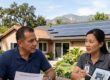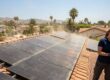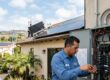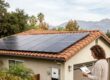
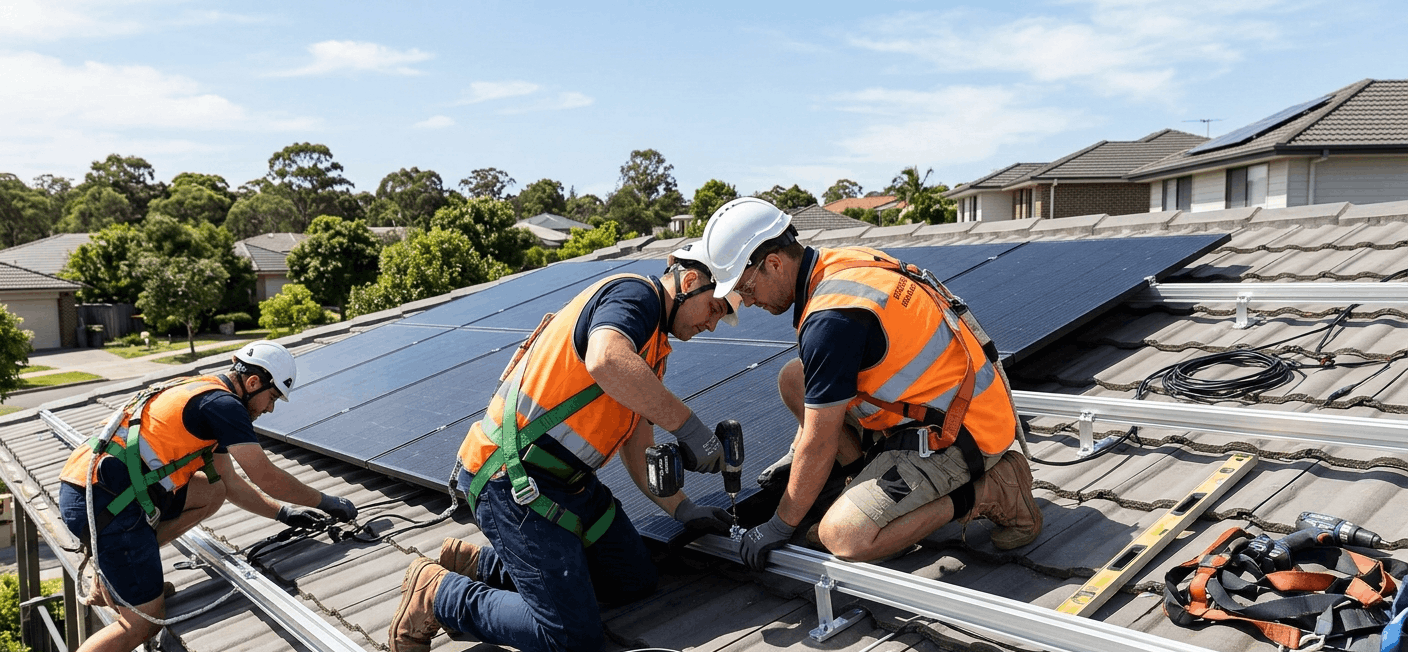
A professional solar installation ensures your system works reliably by tailoring the design to your property, roof, electrical setup, and sunlight. Careful siting, wiring, roof prep, inverter setup, and warranty planning all help your system run well for years. Choosing a qualified Solar Installation Company in Arcadia also makes it easier to handle permits, design, installation, and utility connections as one smooth project.
The Real Value of Professional Solar Installation
Solar equipment works best when every part is installed to meet its design and local building codes. A professional installer checks how panels, mounts, wiring, and inverters all fit and function together.
Good installation can help meet manufacturer warranty requirements. Because warranty terms differ by brand and product, homeowners should check the paperwork and make sure they know what’s needed before starting the job.
Careful work helps your system run smoothly. Secure wiring, the right cable sizes, good panel placement, and proper equipment setup all build a solid base for lasting solar performance.
How Professional Design Maximizes Long-Term Energy Production
Designing a solar system begins with looking at how much sunlight your property gets and how your roof or space can fit the system. Things like roof size, shade, tilt, local weather, and equipment details all affect how much solar power you can get.
Important design considerations include:
- Solar Mapping and Shading Analysis: Checking your site helps find the sunniest spots and guides where to put the panels.
- Future Obstructions: Installers look at nearby trees and other features to plan the panel layout for now and the future.
- Inverter Selection: String inverters and microinverters handle solar power in different ways. The right choice depends on your panel setup, shade, equipment, and project needs.
These choices help match your solar system to your property and how much energy you need.
Roof Assessment and Structural Considerations
A rooftop solar project starts with checking if your roof is in good shape and ready for solar panels. This review shows if your roof can handle the system or if it needs to work first.
Key areas an installer may evaluate include:
- Roof Condition and Strength: The check looks at your roof’s condition, how it’s built, and if it’s right for the planned system and mounts.
- Mounting and Weather Protection: Using the right mounting methods and careful roof work helps keep your installation safe and weatherproof.
- Alternative Installation Areas: If there’s not enough roof space or the site isn’t right, ground-mounted systems or solar carports can be good options.
This review helps fit the solar panels to your property and keeps the system running well over time.
Wiring, Inverter Configuration and Electrical Safety
Good electrical design is crucial for solar performance. Solar panels make direct current (DC), and the inverter changes it to alternating current (AC) that your home and the grid use.
Installers pick wires and electrical parts based on your system’s needs and local rules. Using the right wire size reduces energy loss, and proper connections and safety gear keep things running safely.
The inverter also needs to fit your solar array’s electrical setup. At Solar Unlimited, we look at design, equipment, and wiring, so all parts of your system work together as they should.
Monitoring: Catching Performance Changes Early
Solar monitoring lets you see how much electricity your system makes. Depending on your setup, you can check production for the whole system, each inverter, each string, or even each panel.
Monitoring can spot unusual system behavior and send alerts if something needs attention. By comparing actual and expected production, you can catch issues early.
A professional setup makes sure your monitoring matches your real system. Accurate data helps you understand how your system works and plan maintenance when needed.
Warranty Protection and Professional Installation
Solar panels, inverters, mounts, and other parts often have their own manufacturer warranties. The installer’s work may also come with a separate warranty.
Homeowners should read these warranty documents before installation to know what’s covered, how long it lasts, and any installation or maintenance rules.
Clear paperwork helps you keep track of warranty details. At Solar Unlimited, we give homeowners information about their solar system and equipment. Keeping these records makes it easy to check warranty terms when you need them.
What Sets a Trusted Solar Installation Company in Arcadia Apart
Picking an installer is about more than just the panels. Homeowners should also look at the company’s experience, local know-how, process, and paperwork.
Useful factors to review include:
- Local Permitting Experience: Solar projects need local permits and inspections before connecting to the utility. Knowing the local process helps things go smoothly.
- Licensing and Credentials: Homeowners should check that the contractor has the right licenses, insurance, and professional credentials.
- Installation Process: Find out who will do the work and how the design, installation, inspection, and system start-up will be managed.
- Warranty Documentation: The paperwork should clearly explain what’s covered for equipment and workmanship, along with your responsibilities and the terms.
A qualified Solar Installation Company in Arcadia can help handle these technical and paperwork details while making sure your system fits your property.
Conclusion
Professional installation brings together solar design, roof checks, electrical work, monitoring, warranties, permits, and utility connections into one smooth process. Each step helps build a system that fits your property and energy needs.
At Solar Unlimited, we see each stage as part of a complete solar installation process. Homeowners can help their system last by checking installer credentials, warranty details, and monitoring choices. Careful planning and professional installation give you a solid base for reliable solar energy for years to come.
FAQs
Does professional installation really affect how much energy my solar panels produce?
Where you place panels, how much shade there is, the system design, inverter setup, and electrical work all affect how much solar energy your system makes.
Can a DIY or unlicensed solar installation void my warranty?
Warranty rules are different for each product. Homeowners should read the manufacturer’s terms, since who installs the system and how it’s done can affect your warranty.
How do I know if my roof needs work before solar installation?
A professional roof check can look at its condition, how it’s built, and if it’s right for the planned solar mounting system before you start the installation.