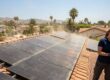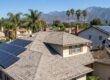
The amount of sunlight your solar panels get decides how much electricity they make. How much energy your home uses affects whether you use that power yourself, send it to the grid, or need to buy some back. This balance is what determines the real value of Arcadia solar electricity. In Arcadia, production is highest from spring to summer, but most homes use the most energy on hot summer evenings. Southern California Edison (SCE) time-of-use rates and export credits turn this difference into your bill. It’s smart to plan your system based on your own seasonal usage.
Does Your Energy Usage Change Your Solar Production?
Solar output depends on things like sunlight, the angle of the sun, shade, panel temperature, and how your system is designed. Your energy use does not change how much your panels produce. Imagine your roof is a rain barrel, and your home is a garden. The rain fills the barrel at a steady rate.
How much energy you use decides what happens to that ‘water.’ It determines how much solar power you use right away, how much you send to the SCE grid, and how much you need to buy back after sunset.
How Solar Production Changes by Season in Arcadia
In Arcadia, solar output goes up in spring, reaches its highest point in summer, and drops to its lowest in winter. Longer days and a higher sun angle make summer the peak season. Shorter days and a lower sun angle lead to less production in winter.
| Season | Solar Output | Household Usage | Practical Note |
| Spring (Mar to May) | Rising | Low, little air conditioning (AC) or heating | Largest midday surplus |
| Summer (Jun to Sep) | Highest | High, AC runs into evenings | Evening peak rates |
| Fall (Oct to Nov) | Declining | Moderate | Clean dust after dry months |
| Winter (Dec to Feb) | Lowest | Moderate, earlier evenings | Cool weather helps efficiency |
How Household Energy Use Shifts Through the Year
Most people use the most energy in summer. The heat in the San Gabriel Valley means air conditioning runs from the afternoon into the evening. In spring and fall, energy use is usually lowest because mild weather means you don’t need much cooling or heating. This is when you get the biggest solar surplus.
Energy use in winter is in the middle, since you turn on lights earlier but don’t need as much cooling. If you add things like an electric vehicle, a heat pump, or an induction range, your usage pattern will change. Check your SCE account to see your own usage history.
The Seasonal Mismatch Between Production and Usage
Every season brings its own gap between how much solar power you make and how much you use. The three main mismatches are:
- Spring and Fall Surplus: Strong midday sun meets low demand, sending more power to the grid.
- Summer Evening Peak: Output falls as the 4 to 9 p.m. peak begins, while AC keeps running.
- Winter Shortfall: Shorter days cut production, and your home buys more grid power.
According to SCE’s 2026 averages, export credits are about $0.06 per kWh during summer days and $0.21 per kWh during summer evenings.
How SCE Billing Reflects Seasonal Swings
Three billing rules shape your savings:
- Time-of-Use Rates: Solar Billing Plan customers use TOU-D-PRIME. Prices peak on summer weekdays, June through September, from 4 to 9 p.m. Winter keeps prices lower during that window.
- Export Credits: Under the Net Billing Tariff (NBT), also called Net Energy Metering (NEM) 3.0, credits run higher from 4 to 9 p.m. and in summer and lower midday. It covers systems installed after April 14, 2023, while older systems generally keep NEM 1.0 or 2.0.
- Annual Settlement: Unused credits roll forward until a yearly True-Up bill in the month your system started service. Fees, taxes, non-bypassable charges, and the $0.79 per day Base Services Charge remain payable.
Arcadia is a Clean Power Alliance (CPA) member city, and CPA sets generation rates for enrolled homes.
How to Size Solar for Seasonal Swings
You should size your solar system based on your last 12 months of SCE usage. SCE expects this and lets you include planned new loads like an EV. They may lower extra credits at settlement. At Solar Unlimited, we recommend asking for monthly estimates. Here are some ways to approach this:
| Approach | Pros | Cons |
| Size for Winter | Covers low-production months | Costlier, with more low-value exports |
| Size for Annual Average | Balances cost and coverage | Winter shortfall and evening peaks remain |
| Size for Summer | Smaller, lower cost | More winter grid use |
5 Ways to Balance Seasonal Production and Usage
Five steps help you use more of your solar power:
- Shift Flexible Loads to Midday: Run laundry, dishwashers, and EV charging during daylight.
- Pre-Cool Your Home: Cool rooms with solar power before the evening peak.
- Add a Battery: Store midday surplus for evening use, which SCE values more than exporting.
- Review Your Rate Plan: Confirm your plan and current rates each year.
- Track Production Monthly: Compare output with last year and check for dust or shade.
After you make one or two changes, compare your bills to see the difference.
Why Arcadia Homeowners Can Trust This Guide
Solar Unlimited has been designing, installing, and maintaining solar systems in Southern California since 1980. Our veteran-owned, family-run team is based in Arcadia and knows how San Gabriel Valley roofs handle every season.
Seasonal patterns affect every solar decision, from how big your system should be to whether you need a battery. Production estimates, utility rates, and billing rules can change. We suggest checking the latest terms with your utility and talking to an experienced installer before you decide.
Match Your Solar System to Arcadia’s Seasons
Solar production in Arcadia is highest from spring to summer and lowest in winter, while most homes use the most energy on summer evenings. SCE time-of-use rates and export credits connect these patterns to your bill and determine the return on Arcadia solar electricity. A system sized to your annual usage, paired with load shifting or battery storage, captures more of that return. To review your usage and roof, request a free assessment on our solar electricity page for Arcadia, CA.
FAQs
How much less electricity do solar panels produce in winter in Southern California?
Noticeably less, mainly from shorter days and a lower sun angle. Exact figures depend on roof direction, tilt, and shading.
Should I size my solar system for summer or winter usage?
Start with annual usage, then compare summer and winter months. Batteries help close seasonal gaps.
Why do I still get an SCE bill in summer if I have solar?
Evening power comes from the grid after sunset, and the fixed Base Services Charge applies.