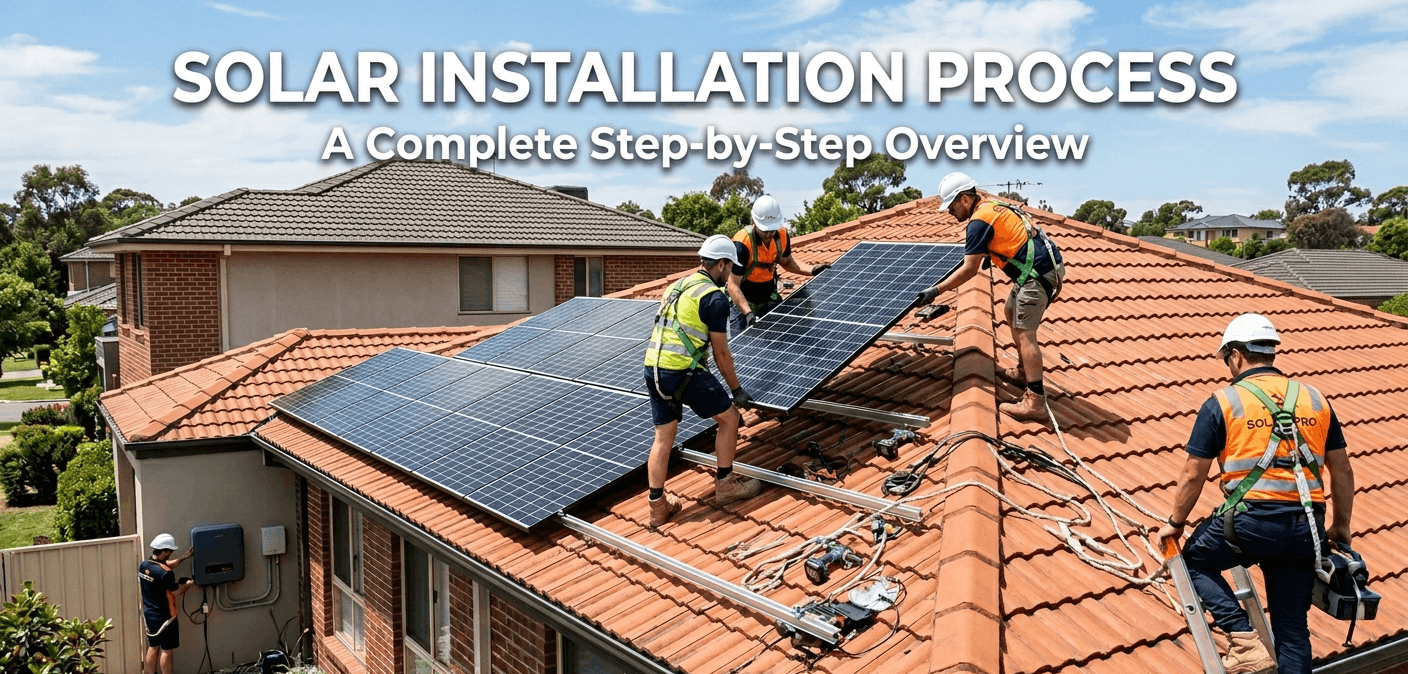
The solar installation process moves step by step, starting with a consultation and system design and ending with final utility approval. Most home solar projects take between 4 and 12 weeks, depending on permits, inspections, and utility schedules. The actual installation at your home usually takes just a few days. At Solar Unlimited, our local team handles custom solar installations, battery backup systems, and utility approvals throughout Los Angeles.
Step 1: Get Multiple Solar Quotes and Compare
Begin by getting at least three solar quotes before you decide. Looking at several options lets you compare prices, equipment quality, warranties, and the experience of each installer.
Factors to Review in a Solar Quote
Check the price per watt, system size, equipment brand, warranty coverage, and estimated energy production. These details help you see the long-term value and how well the system will perform.
Key Questions to Ask Every Solar Installer
Ask who will handle the permits, what warranties are included, and if there are any extra costs. It’s also a good idea to ask about how long installation will take and what support is available after the system is installed.
Red Flags to Watch Out For
Watch out for unclear prices or missing warranty details. If you feel pressured to make a quick decision or the timeline is vague, these could be warning signs.
Checklist for Comparing Solar Quotes
- Price per watt
- System size (kW)
- Panel brand and model
- Inverter type and brand
- Warranty coverage
- Estimated energy production
- Installer certifications and experience
Looking at these factors will help you pick a system that matches your budget and your long-term energy needs.
Step 2: Home Energy Audit and Site Assessment
This stage confirms whether your home is suitable for solar installation. It also helps determine the correct system size and the required installation.
Areas Reviewed During the Site Assessment
Installers evaluate roof structure, electrical panel capacity, and household energy usage. These checks help identify any issues before installation begins. Before booking your assessment, reviewing the 10 benefits of going solar in Encino can help you decide if solar is right for your home.
Roof Condition Requirements for Solar
The roof must be structurally stable and capable of safely supporting the solar system. Older roofs may require repairs before installation can proceed.
Shading Analysis: Why It Matters
Shade can reduce solar energy production throughout the day. Installers review sunlight exposure to identify the best location for panel placement.
A detailed assessment helps improve system efficiency and long‑term performance.
Step 3: System Design and Engineering
The solar system is designed around your home’s energy usage, roof layout, and sunlight exposure. Proper system design helps improve energy production and efficiency.
Factors That Determine System Size
System size depends on electricity consumption, available roof space, and daily sunlight exposure. Larger households may require more panel capacity to meet energy needs.
Panel Placement and Roof Layout
Panels are positioned to maximize sunlight exposure throughout the day. South‑facing roof sections are often preferred for higher production.
Choosing Between String Inverters and Microinverters
String inverters are a good choice if your roof is simple and gets steady sunlight. Microinverters work better if your roof has some shade or different angles.
Adding Battery Storage: Is It Worth It?
Battery storage gives you backup power during outages and lets you save extra solar energy for later. It can also help you use less electricity from the grid during busy times. Learn more about our solar electric services and how battery backup integrates with your system.
A good design helps your system run reliably for years to come.
Step 4: Permits, HOA Approval, and Utility Application
You need to get all permits and approvals before installation can start. Having the right paperwork ready helps avoid delays.
What Permits Are Required for Solar Installation?
Most solar projects need building and electrical permits to meet local safety rules. Installers usually handle and submit these documents for you.
How to Handle HOA Restrictions on Solar?
Some HOAs need to approve your solar panels, especially if they are visible or affect the look of your roof. Installers usually help with this process and provide the needed paperwork.
What Is an Interconnection Application and Who Files It?
The interconnection application allows the system to connect to the utility grid and receive operational approval. Installers typically coordinate paperwork and submissions with the utility provider.
Timely approvals help keep the installation process moving efficiently.
Step 5: Equipment Ordering and Scheduling
Once approvals are complete, solar equipment is ordered, and installation dates are scheduled. Proper coordination helps avoid unnecessary delays.
How Long Does Equipment Take to Arrive?
Most solar components arrive within one to three weeks, depending on product availability. Delivery timelines may vary based on equipment type and supplier schedules.
What to Do While You Wait for Your Install Date?
Homeowners should prepare roof access and confirm installation details before work begins. Reviewing plans in advance helps ensure a smoother installation process.
Planning ahead helps keep the project on schedule.
Step 6: Installation Day Expectations
This stage involves physically installing the solar system on your property. Most residential installations are completed relatively quickly once approvals are finalized.
How Long Does Physical Installation Take?
Most systems are installed within one to three days. Larger or more complex projects may require additional time. For a detailed breakdown of each stage, see our guide on how long solar installation takes in Los Angeles.
What the Crew Installs: Racking, Panels, Inverter, Wiring
The installation crew mounts the racking system, solar panels, inverter, and electrical wiring. Each component is installed in accordance with approved plans and safety requirements.
Do You Need to Be Home?
Homeowners do not need to remain on‑site throughout the installation. However, installers require access to the roof, electrical panel, and meter area.
When Is an Electrical Panel Upgrade Required?
Older electrical panels may not be able to safely support the additional solar load. In these cases, an upgrade may be required before activation.
After installation, the system moves to inspection and approval.
Step 7: City Inspection and Approval
The completed solar system must pass inspection before it can begin operating. This step confirms the installation meets local safety and building requirements.
Areas Reviewed During Inspection
Inspectors review wiring, mounting systems, labeling, and code compliance. They also verify that the installation matches approved plans.
Common Reasons for Failing a Solar Inspection
Projects may fail due to wiring issues, missing labels, or installation changes that are not reflected in the approved documents. Corrections are usually required before reinspection.
Inspection Scheduling Timelines
Scheduling may take anywhere from a few days to several weeks, depending on local availability. Delays can also occur during busy installation periods.
Inspection approval allows the project to move to final utility authorization.
Step 8: Utility Interconnection and Permission to Operate (PTO)
This final stage allows the solar system to begin generating usable electricity. Utility approval is required before the system can officially operate.
Understanding Permission to Operate
Permission to Operate (PTO) is the final authorization issued by the utility provider. It confirms the system is approved for grid connection and activation.
Typical PTO Approval Timeline
PTO is commonly issued within 1 to 3 weeks of inspection approval. Timelines may vary depending on the utility provider and application volume.
Setting Up Net Metering Monitoring
Net metering tracks electricity usage and credits excess solar energy sent back to the grid. Monitoring systems also help homeowners track solar production over time.
Once PTO is approved, the system becomes fully operational.
After Installation: Monitoring and Maintaining Your Solar System
Ongoing monitoring and maintenance help support long‑term system performance. Regular upkeep also helps identify potential issues early.
Monitoring Solar Energy Production
Most solar systems include monitoring apps that track daily and monthly performance. These tools help homeowners identify changes in energy production.
Maintenance Tips to Keep Panels Performing at Peak
Regularly removing debris and reviewing system performance helps maintain efficiency. Periodic inspections can also help identify wear or electrical issues.
When to Clean Your Solar Panels
Solar panels should be cleaned when dirt or buildup begins affecting production. Cleaning frequency may vary depending on the weather and surrounding conditions.
Regular maintenance helps support long‑term reliability and energy output.
Solar Installation Costs: What’s Included?
The total cost of a solar system depends on equipment, installation requirements, permitting, and related project components. System size, roof complexity, and equipment selection can also affect overall pricing.
| Component | Description | Estimated Cost Share |
| Solar Panels | Main energy-generating units | 40–50% |
| Inverter | Converts DC to usable AC power | 10–15% |
| Labor | Installation work | 20–30% |
| Permits | Required approvals and inspections | 5–10% |
| Miscellaneous | Wiring, mounting and accessories | 5–10% |
Understanding these cost categories helps homeowners compare proposals and plan their solar investment more effectively.
Conclusion
The solar installation process involves several stages, from system design and permitting to inspections and final utility approval. Understanding how each step works can help homeowners prepare for timelines, compare installation proposals more effectively, and avoid common delays. Working with an experienced local installer also helps simplify approvals, coordination, and long‑term system planning.
Ready to start your solar installation? Request a free quote to compare solar options and installation timelines. Solar Unlimited provides residential solar installation services across Encino and Los Angeles.
Frequently Asked Questions
How long does the solar installation process take?
Most systems take 4 to 12 weeks from consultation to activation, depending on permits, inspections, and utility approvals.
Do solar panels work during power outages?
Standard grid‑tied systems shut down for safety. Battery storage allows continued power use during outages.
Is solar installation suitable for all homes?
Suitability depends on roof condition, shading, and energy usage patterns.
How much maintenance do solar panels require?
Maintenance is minimal. Periodic cleaning and system monitoring usually keep performance stable.
Can I install solar panels myself?
Professional installation is recommended to meet safety standards and local codes.
What happens if I produce more electricity than I use?
Excess energy is sent to the grid and credited through net metering, depending on local policies.