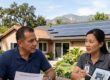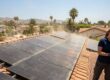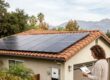
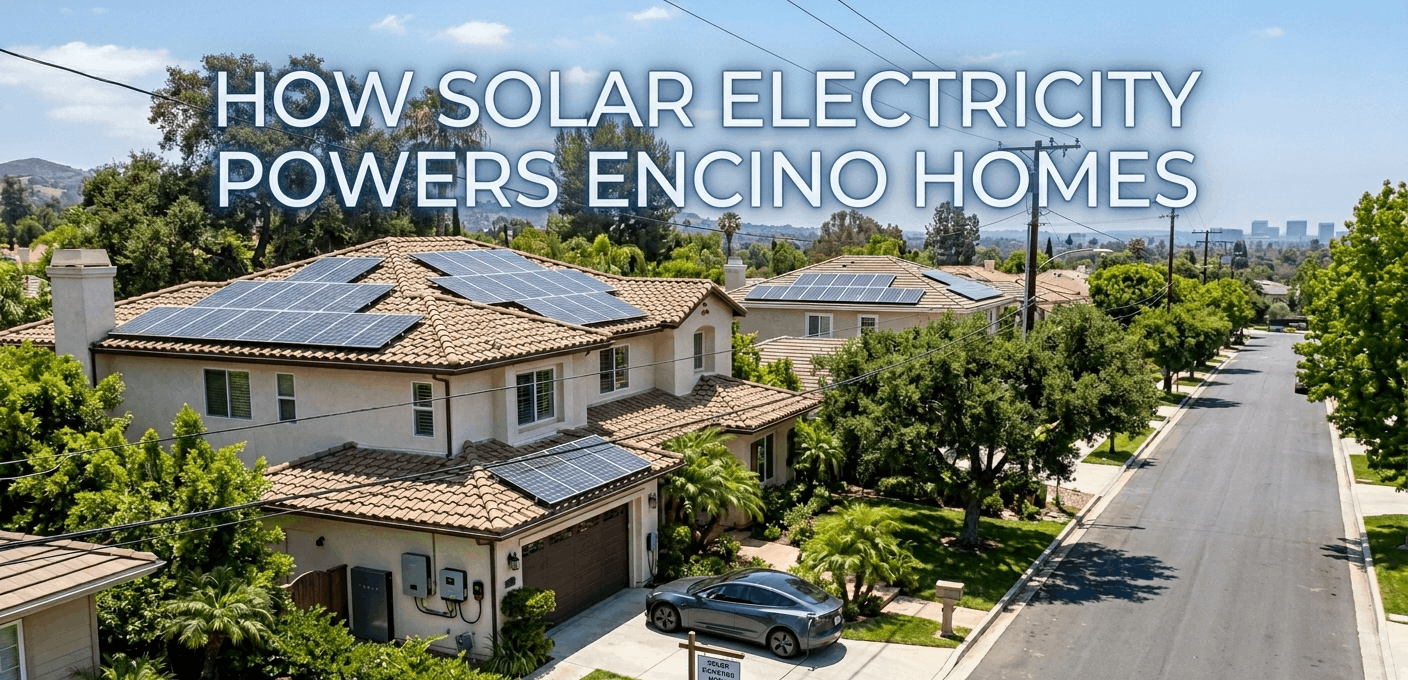
Encino gets about 5.5 to 6 hours of strong sunlight each day, which helps generate steady solar power. Most homes stay connected to the LADWP grid, using solar energy and relying on backup when needed. This setup makes energy use more reliable and efficient. As electricity costs rise, more residents in Encino are choosing solar to better control their energy bills. At Solar Unlimited, we have years of experience helping local homeowners. We design and install custom solar systems that fit Encino’s sun conditions and help you save money over time. If you’re wondering what happens after you decide to go solar, our solar installation process guide walks you through every step from consultation to activation.
How Does Solar Electricity Work for a Home?
Solar electricity turns sunlight into usable power through a straightforward process that most homes use.
Step 1: Sunlight Hits Photovoltaic Panels
Rooftop solar panels use photovoltaic (PV) cells to capture sunlight. When sunlight hits these cells, they produce direct current (DC) electricity.
Step 2: Inverter Converts DC to AC Power
An inverter changes the DC electricity from your solar panels into alternating current (AC), which is the kind of power your home appliances and lights use. To learn more about why this technology is a smart choice for local homeowners, read about the 10 benefits of solar panels in Encino.
Step 3: Your Home Uses the Power First
This electricity goes straight to your home, so you use less power from the LADWP grid during the day.
Step 4: Excess Energy Flows to the Grid (Net Metering)
If your system makes more electricity than you need, the extra goes back to the grid. You earn net-metering credits, which can help lower your future electricity bills.
Why Encino Is Ideal for Solar Electricity
Encino’s strong sunlight and local energy rates make it a great place for home solar. These factors help your system work well and save you money over time.
Encino’s Solar Edge: Average Daily Sunlight Hours
Encino receives around 5.5 to 6 peak sun hours daily for most of the year. This consistent sunlight allows solar panels to generate stable electricity output, helping maintain predictable energy production for households. Our solar electric service is designed to take advantage of Encino’s excellent sun conditions and maximize your home’s energy output.
High LADWP Electricity Rates Make Solar ROI Faster
Electricity rates under LADWP have increased over time. Higher grid costs can shorten the payback period for solar systems, as homeowners rely less on purchased electricity and more on self‑generated power during peak sunlight hours. To see exactly how much you could save based on your home’s usage, explore our Encino Solar Savings Guide.
California NEM 3.0 and What It Means for Encino Homeowners
NEM 3.0 changes how excess solar energy is credited. Export rates are lower, so using energy during the day or storing it in batteries becomes more important for maximizing value.
Estimated Energy Production Comparison
This comparison shows how estimated energy output varies.
| Location | Avg kWh/day (per kW system) |
| Encino | 5.5 – 6.0 |
| California Average | 5.0 – 5.5 |
| US National Average | 4.0 – 4.5 |
These conditions make Encino suitable for consistent solar energy generation and for planning its use.
What System Do Encino Homes Typically Need?
The best solar system for your Encino home depends on how much energy you use, your roof, and your daily habits. Most systems help you use less grid power but still stay connected to LADWP. When you’re thinking about solar, it’s important to look at these details to pick the right size. We design our systems with these factors in mind to make sure they work well and reliably.
Average Home Size and Energy Consumption in Encino
Homes in Encino are usually bigger than the national average, often between 2,000 and 3,500 square feet. Most use about 600 to 1,200 kWh of electricity each month, depending on things like air conditioning, appliances, and how many people live there. If your home uses more energy, you’ll need a bigger solar system to cover your needs.
Key Considerations for Solar System Size
How many panels you need depends on a few important things that affect how well your system works:
- Energy Usage: Higher consumption increases system size requirements.
- Roof Space: The available area determines how many panels can be installed efficiently.
- Panel Efficiency: Higher efficiency panels reduce the total number needed.
- Sun Exposure: Roof angle, direction, and shading affect output levels.
Most homes in Encino need about 15 to 30 panels to cover most of their electricity use.
Grid‑Tied vs. Battery Backup Systems
You can choose the type of solar system based on how you want to manage your energy:
- Grid‑Tied Systems: Connected to the LADWP grid, allowing energy use during low production and export of excess power for credits.
- Battery Backup Systems: These store extra energy so you can use it in the evening or during power outages, giving you more control under NEM 3.0.
System Size Estimate
| Home Size | System Size (kW) | Estimated Panels |
| Small (1500 sq ft) | 4 – 5 kW | 12 – 16 panels |
| Medium (2500 sq ft) | 6 – 8 kW | 18 – 24 panels |
| Large (3500+ sq ft) | 9 – 12 kW | 25 – 35 panels |
These numbers can vary depending on how much energy you use and how your system is configured.
Net Metering in Encino: Earning Credits From Your Solar System
With net metering in Encino, you get credits for any extra solar energy you send to the grid. These credits help you balance your electricity use during the day.
How Do LADWP Credits Work?
If your solar system produces more electricity than you need, the excess is sent to the LADWP grid. In exchange, you get energy credits. You can use these credits to help pay for electricity you use from the grid at night or when your system isn’t producing as much, which lowers your overall energy costs.
Can You Eliminate Your Electric Bill Entirely?
You can significantly lower your electricity bill a lot, but eliminating it entirely depends on your system size, how much energy you use, and LADWP’s billing rules. Some fixed charges and minimum fees may still apply.
Conclusion
Encino’s strong sunlight, higher electricity costs, and new policies like NEM 3.0 make solar a smart choice for long-term energy planning. With the right system and usage plan, you can rely less on the grid and still have steady power. As more people in Encino go solar, it’s important to understand how your system works and how credits can help you get the most value.
Ready to get started? Fill out our free quote form or call Solar Unlimited to talk with a local solar expert trusted by Encino homeowners.
Frequently Asked Questions
How much does solar installation cost in Encino?
The cost of installing solar in Encino depends on your system size, equipment, roof, and how much energy you use. Because every home is unique, it’s best to get a custom assessment to find the right system for you.
How long do solar panels last?
Solar panels usually last 25 to 30 years. They might lose a little efficiency over time, but they’ll keep making electricity reliably for most of their life.
Do solar panels work during cloudy days?
Yes, solar panels still make electricity on cloudy days, but they produce less than on bright, sunny days because there’s less sunlight.
Is maintenance required for solar systems?
Solar systems don’t need much maintenance. Just clean them now and then and have them checked occasionally to keep them working well and catch any problems early.
How long does installation take?
Once you have all the permits and approvals, installation usually takes one to three days. The exact timing depends on your system size and your home’s setup.