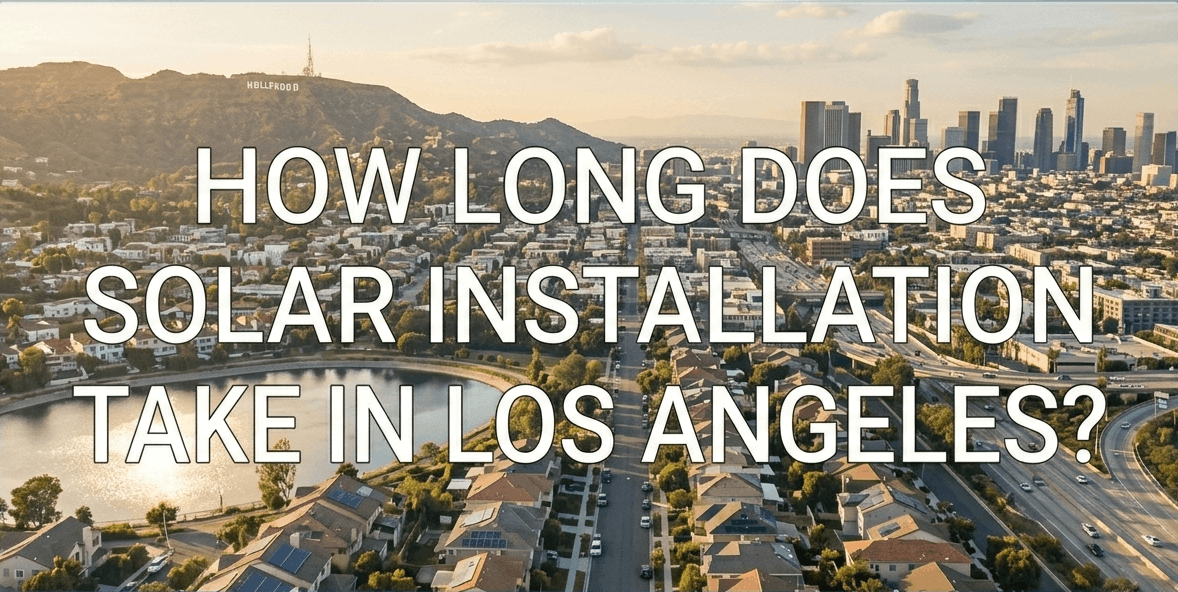
In Los Angeles, the entire solar installation process usually takes 2 to 6 months, but the actual work on your property lasts only 1 to 3 days. Most of the wait comes from permits, inspections, and utility approvals, not the installation itself. Homeowners in the area can get a detailed overview of each phase in our solar installation process guide.
At Solar Unlimited, we install solar panels and systems for homes and businesses, including solar electric, pool heating, and water heating throughout Los Angeles. If you live in Encino, your timeline may change based on local permit and utility rules. Learn more about our dedicated solar installation services in Encino and how we manage the local approval process for you.
Phase 1: Consultation and System Design (1–2 Weeks)
During this step, you’ll figure out how big your system should be, how much energy it will produce, and what the project will include.
Energy Audit and Roof Assessment
Installers look at your utility bills, check your roof’s condition and direction, and see how much shade it gets. To understand the financial return once your system is running, read our Encino Solar Savings Guide for real numbers on payback periods and long-term savings.
System Design and Proposal Review
The installer will design a plan showing where the panels will go, what type of inverter will be used, and how much energy you can expect. You’ll get to review the proposal, compare it with others, and ask for changes if you want.
Signing the Contract and Financing
After you approve the proposal, you’ll sign the contract and set up your payment or financing. You can usually choose between a loan or paying upfront. Once this is done, the project moves on to engineering and permits.
Phase 2: Engineering Site Visit (1–2 Weeks)
A detailed site visit checks if your home meets all the structural and electrical requirements before applying for permits. This helps make sure the system is designed correctly and can help avoid approval delays.
What Does the Engineer Check During the Site Visit?
Engineers will check your roof’s condition, see how much weight it can hold, look at your wiring, and see how shade might affect your system. These checks make sure your system will be safe and work as expected.
When Do You Need a Main Panel Upgrade?
If your home’s electrical panel can’t handle the new system, you might need an upgrade. Whether you need this depends on your system’s size and local codes, and getting approvals can add time to your project.
Phase 3: Permitting – The Longest Wait in LA (4–8 Weeks)
Getting permits is usually the slowest part of solar projects in Los Angeles. It often takes 4 to 8 weeks because of all the reviews and approvals needed. While you wait for permits, it is a great time to review the benefits of solar panels in Encino to feel confident about your investment.
LADBS Permit Requirements for Solar
The Los Angeles Department of Building and Safety checks your system design, structural details, and electrical plans. Your application has to meet all local building and safety codes before it gets approved.
Reasons LA Permitting Takes Longer Than Other Cities
Because there are so many applications, detailed checks, and sometimes the need for revisions, the process can take longer. Backlogs and having to resubmit paperwork can add weeks compared to smaller cities.
HOA Approval Requirements for Solar Projects
If you live in a neighborhood with a homeowners association (HOA), you might need their approval too. How long this takes can vary and might make the process longer.
| Area / Jurisdiction | Typical Permit Time |
| City of Los Angeles (LADBS) | 4–8 weeks |
| LA County cities | 2–5 weeks |
| Smaller jurisdictions | 1–3 weeks |
Phase 4: Physical Installation (1–3 Days)
This is the fastest stage, where the system is installed and prepared for inspection. Most residential setups are completed within one to three days.
What Happens on Installation Day?
Installers mount racking, place solar panels, connect inverters, and complete wiring. The system is assembled in accordance with approved plans and safety standards.
Do You Need to Be Home During Installation?
You do not need to stay on‑site throughout the process. However, installers require access to the roof, electrical panel, and meter area.
What Could Delay Your Installation Day?
Weather changes, pending roof repairs, or missing equipment can cause delays. Preparing the site in advance helps keep the schedule on track.
Phase 5: City Inspection and Final Approval (1–2 Weeks)
After installation, the system must pass inspection before activation. Approval usually takes one to two weeks, depending on scheduling and compliance.
What Do LA City Inspectors Check?
Inspectors review panel mounting, wiring, grounding, labeling, and alignment with approved plans to ensure code compliance and safe operation.
What Happens If You Fail Inspection?
If issues are identified, corrections must be made before reinspection. This may extend the timeline by several days, depending on availability.
Phase 6: Utility Interconnection and Permission to Operate (PTO) – 2–6 Weeks
This phase connects your system to the grid and allows it to generate usable electricity. The timeline depends on utility processing and final approvals.
LADWP vs. SCE: Interconnection Timelines
LADWP applications are usually processed within a few weeks, while SCE timelines can take longer based on workload and documentation accuracy. Delays often occur if submissions are incomplete or require revisions.
Net Meter Installation: What to Expect
The utility installs or updates a net meter to measure electricity consumption and excess energy sent back to the grid. This step is required before activation.
Final Solar System Activation After PTO Approval
You can turn on your system only after receiving Permission to Operate (PTO), which confirms full compliance and grid approval.
How to Speed Up Your LA Solar Installation Timeline
You can avoid delays by getting started early and choosing experienced installers who know the local rules.
-
Choose an installer familiar with LADBS requirements: Installers who are familiar with LADBS requirements submit accurate plans, reducing revisions and speeding up approvals.
-
Start the process before peak summer season: Permit demand increases during summer months. Starting earlier helps avoid longer processing queues.
-
Prepare your roof and electrical panel in advance: Complete any roof repairs or electrical upgrades before design approval to avoid delays during engineering or inspection.
Conclusion
In Los Angeles, most of the time spent on solar installation comes from permits, inspections, and utility approvals, not the actual installation. Knowing what to expect at each step helps you plan and avoid delays. Choosing an experienced local installer can also make the process smoother from start to finish.
Ready to get started? Request a free quote from Solar Unlimited to compare your solar options and timelines. We serve homeowners in Encino and all of Los Angeles.
Frequently Asked Questions
How long does solar permitting take in Los Angeles?
Permitting usually takes 4 to 8 weeks, depending on application volume, plan accuracy, and city review timelines.
Can solar installation be completed in one week?
The physical installation may be completed in a few days, but approvals extend the overall timeline beyond one week.
What causes the biggest delays in solar projects?
Permitting, city inspections, and utility approvals are the most common factors that slow down timelines.
Do all homes need electrical panel upgrades?
Electrical panel upgrades are not required for every home. The need depends on existing panel capacity and the planned solar system’s size.
When can you start using your solar system?
You can begin using it only after receiving Permission to Operate from your utility provider.