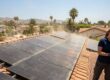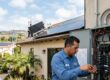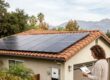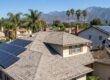
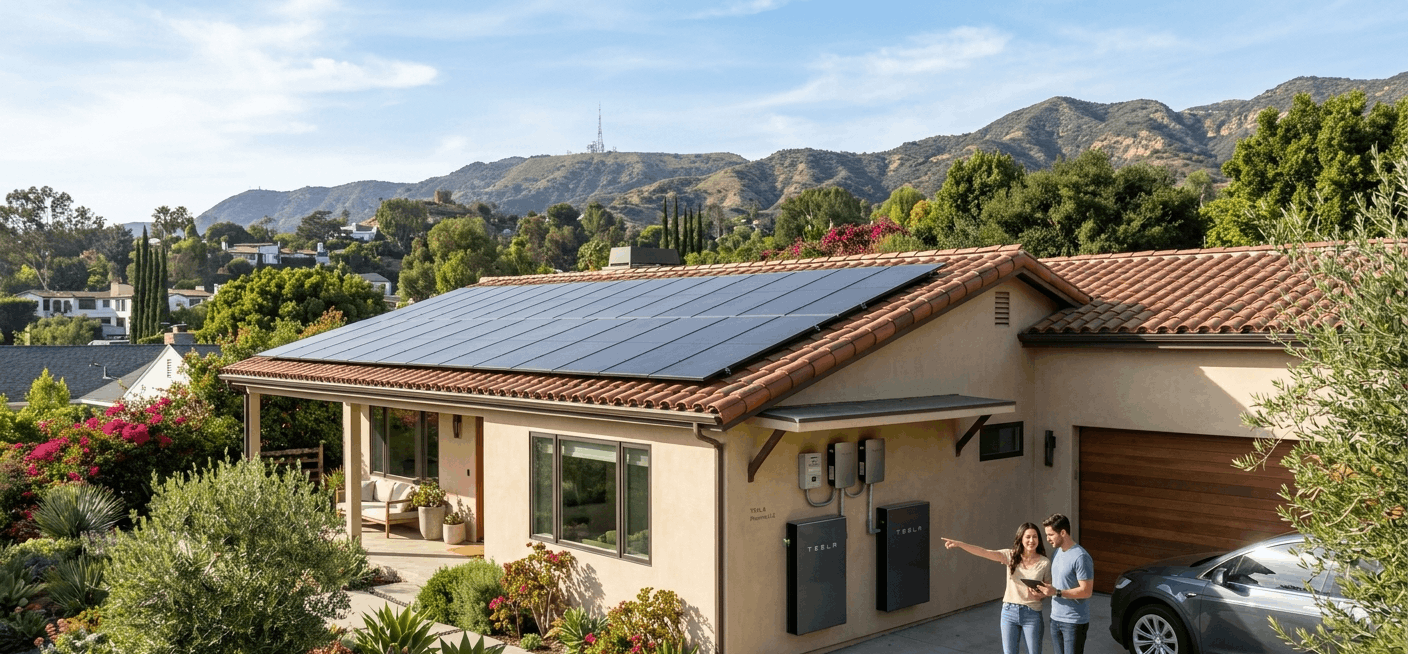
Solar panels turn sunlight into electricity, and a home battery stores that energy for later or during a power outage. Using both together gives you more control over your solar power. With Studio City Solar Panels and a compatible battery, you can keep important circuits running during outages, save solar energy for later, and better manage your electricity use throughout the day.
Why Solar Panels Alone Don’t Keep the Lights On
A typical solar system connects to the utility grid and includes safety controls. If there is a power outage, these controls disconnect your solar system from the grid using anti-islanding protection. This keeps electricity from flowing onto utility lines while workers may be making repairs.
A solar system with battery storage can be set up to work on its own during an outage. It disconnects your home from the grid and uses stored battery power to run selected household circuits. When your solar panels, batteries, and inverters are compatible, they can work together as a backup energy source.
How Solar + Battery Backup Works Together
Solar panels make electricity, and the battery saves extra energy for later. The system works in three main steps:
- Solar Production: During daylight hours, solar panels generate electricity for household needs. Available solar production can also charge the battery.
- Energy Storage: The battery keeps electricity for later use. System controls direct how energy moves between the solar panels, battery, your home, and the grid.
- Backup Operation: If there is a power outage, the system can disconnect from the grid and use stored battery power for certain circuits. When the sun comes back out, your solar panels can power your home and recharge the battery.
With these parts working together, your solar panels and battery can help meet your household energy needs all day long.
Full-Home vs. Partial-Home Backup: What’s Right for Studio City Homes
Battery backup can power just the most important circuits or more of your home, depending on your needs. The best setup depends on how much energy you use, how long you want backup power, the battery’s output, and which appliances you want to keep running.
A simple comparison includes:
Backup ApproachPartial-home backupFull-home backup
| Capacity Example | Potential Loads |
| Around 10 kWh | Refrigerator, Wi-Fi, essential lighting and selected electronics |
| 20–40+ kWh | May include air conditioning, laundry equipment, Electric Vehicle (EV) charging and other larger loads |
These examples are just for reference. Your actual battery needs will depend on how much power your appliances use, how many things run at once, the battery’s size, and how long you want backup power. A home energy assessment can help you choose the right system size.
Battery-Ready Design: Adding Storage Later Without a Redesign
If you plan for battery storage when you first install solar, it’s easier to add a battery later. Thinking about inverter compatibility, your electrical panel, space for installation, and battery needs early on can help you avoid big changes down the road.
Solar Unlimited installs solar systems in Studio City, so it’s important to think about future battery compatibility when planning your system. Planning for storage from the start makes it easier to expand later, though the exact installation details will depend on your equipment, wiring, and battery choice.
Solar, Battery and EV Charging: A Natural Pairing for Studio City
Solar panels, battery storage, and EV charging can all work together as part of your home’s energy system. Solar energy made during the day can be stored in your battery and used later, even for charging your EV if your system is set up for it.
If you have an EV in Studio City, this setup can help you charge your car when electricity is cheaper. How much you use the battery will depend on your solar production, how much energy your home uses, your battery size, charging times, and your utility’s rate plan.
Costs & Incentives for Solar Battery Storage
The cost of battery storage depends on the system size, equipment, installation needs, electrical work, and how many batteries you want. Your storage needs also depend on how much energy your home uses, which circuits you want to back up, and how long you want backup power.
California’s Self-Generation Incentive Program (SGIP) provides financial incentives for qualifying distributed energy resources. Income-qualified Los Angeles Department of Water and Power (LADWP) residential customers may qualify for incentives for solar and battery storage systems.
There are income, property, and other requirements for these programs, and funding may change over time. Be sure to check out the latest SGIP eligibility, program rules, and funding before figuring out the cost of your solar and battery project.
Choosing the Right Battery System
When choosing a battery, you need to match its storage size and power output to your home’s energy needs. Solar Unlimited offers battery storage as part of its solar services, so it’s important to think about capacity, backup priorities, and system compatibility when planning.
Key factors to consider include:
- Usable Capacity: Measured in kilowatt hours (kWh), this shows how much stored energy is available for household use.
- Power Output: This determines how much power the battery can deliver at one time to connected household loads.
- Backup Priorities: Identifying priority circuits helps determine the capacity and backup configuration required for the home.
- Warranty Terms: Warranty length, energy throughput, and manufacturer terms provide useful points for comparing battery systems.
- System Compatibility: The battery, inverter, electrical equipment and solar system need compatible specifications and configurations.
Looking at these factors can help you pick a battery system that fits your home’s energy use and backup needs.
Conclusion
Solar panels and battery storage can give you more control over your solar energy, backup plans, and daily electricity use. The best setup depends on your home’s energy needs, how long you want backup power, system size, and equipment compatibility.
If you’re thinking about Studio City Solar Panels, consider solar and battery storage as one complete energy system. Planning for your current needs, EV charging, future storage, and available incentives can help you build a system that fits your home’s energy needs and long-term goals.
FAQs
Will my solar panels work during a power outage without a battery?
Grid-connected solar systems use anti-islanding protection during outages, so they shut off for safety. But if you have a compatible battery, it can keep certain circuits powered during an outage.
How much battery capacity does a Studio City home need?
The battery size you need depends on how much energy your home uses, which circuits are most important, what appliances you want to run, and how long you want backup power.
Can I add a battery to my existing solar system later?
Whether you can add a battery later depends on your current inverter, electrical setup, available space, and if the battery you choose is compatible.