A solar pool heater circulates pool water through solar collectors, where sunlight warms it before the water returns to the pool. For solar pool heater installation in Arcadia, consider your pool’s size and temperature goals, how much space you have for collectors, how much sun your property gets, and whether your current pool equipment is compatible. Looking at these factors helps you choose the right collector size, placement, and system setup for your home. With good planning, your pool can stay warmer, and you can enjoy swimming for more months each year.
How Solar Pool Heating Works
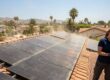
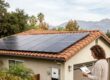
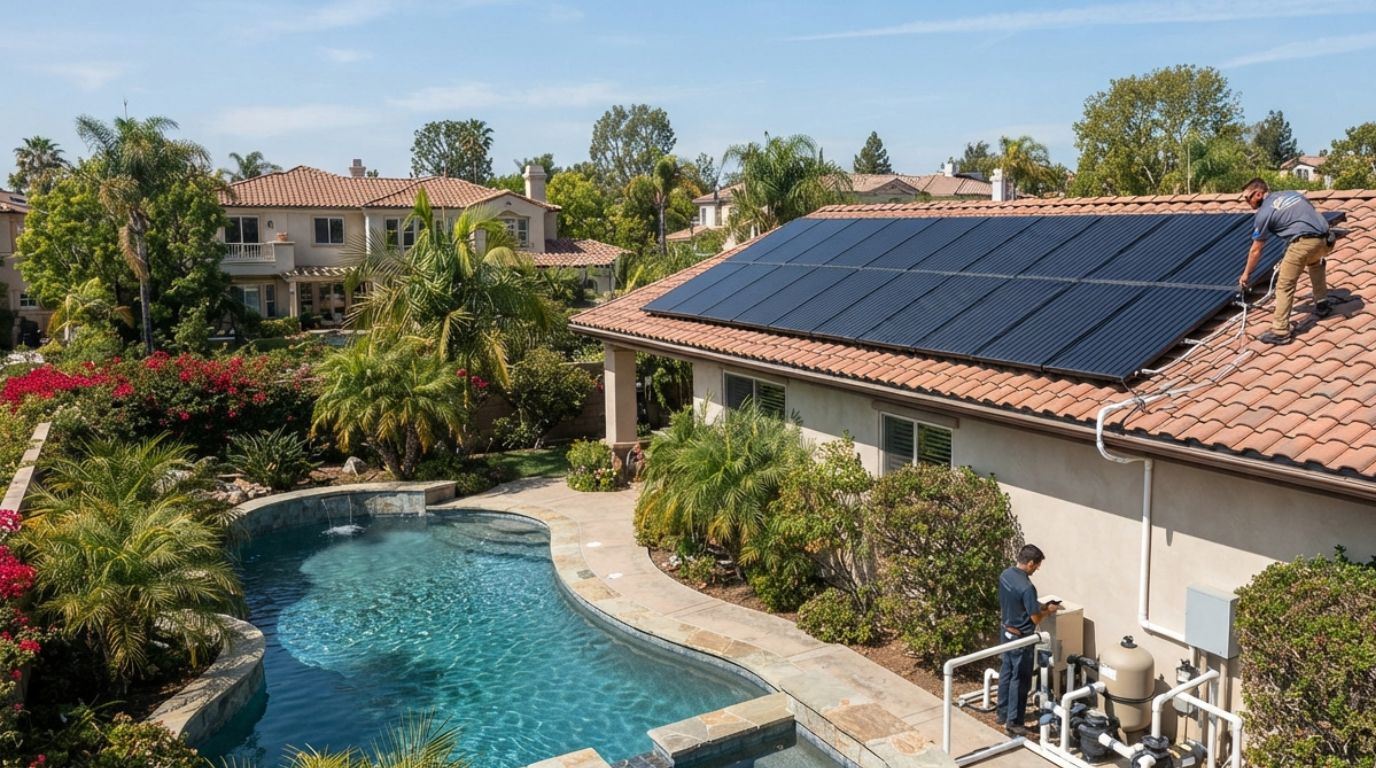
Solar pool heating uses your pool’s existing pump to move water through solar collectors, usually placed on a roof that gets plenty of sun. As the water passes through the collectors, it is warmed by sunlight and then flows back into the pool. Over time, this process raises the pool’s temperature using free solar energy.
A sensor and control valve automatically send water through the collectors when there’s enough solar heat to warm your pool. When extra heating isn’t needed, the system goes back to normal circulation. With the right setup, a solar pool heater can make your pool about 10 to 15°F warmer than an unheated pool, depending on how much sun your property gets and other site conditions.
Key Factors That Affect Your System’s Performance
To get the best results from solar pool heating, it’s important to match the system to your pool and your property’s unique features. Here are some key things to consider when planning:
- Pool Size and Desired Temperature: The size of your pool and how warm you want the water will affect how many collectors you need. Bigger pools or higher temperature goals usually mean you’ll need more collector area. How often you swim also matters; if you use your pool a lot, your heating needs may be different than if you only swim occasionally.
- Available Collector Space: It’s important to look at how much usable space you have on your roof or on the ground for the collectors. The direction your roof faces, its angle, size, and how much sun it gets all play a role in where to put the collectors. The distance from the collectors to your pool equipment also affects how the plumbing is set up.
- Sun Exposure and Shading: Things like trees, nearby buildings, roof features, and the shape of your land can affect how much sunlight reaches your collectors during the best heating hours. This is especially important in Arcadia, where many homes have mature trees or sloped yards. Checking your property’s sun exposure helps you find the best spot for your collectors.
- Existing Pool Equipment: Before installing a solar pool heater, it’s important to check your current pump, valves, filter, plumbing, and any changes in elevation. These parts affect how water moves through the system. A site visit helps figure out the best way to connect everything to your existing equipment.
By looking at these factors, you can decide on the right collector size, placement, plumbing, and controls that fit your pool, property, and how you plan to use it.
What to Expect from Installation, Cost and Warranty
How long it takes to install a solar pool heater depends on how many collectors you need, your roof’s condition, plumbing, access, and other details. At Solar Unlimited, we look at your pool and property to figure out the best collector placement, what equipment you’ll need, the project size, and the installation cost.
When planning your installation, it’s also important to follow any City of Arcadia rules for solar energy systems and pool heaters. How well your system heats your pool will depend on its size, how much sun your property gets, shading, pool conditions, and your preferred water temperature.
Warranty: Solar Unlimited offers a 12-year warranty for solar pool heating systems. Be sure to review the coverage, terms, and system documents before your installation.
Solar Pool Heaters vs. Gas and Electric Heat Pumps
Each way of heating a pool uses a different energy source and method. By comparing how each system works and what it needs, you can choose the option that best fits your swimming habits and heating needs:
| Heater Type | Operating Cost | Best For |
| Solar Pool Heater | Uses solar energy for heating, while pool circulation uses electricity | Maintaining warmer water over an extended season with suitable solar exposure |
| Gas Heater | Uses natural gas or propane during heating | Raising pool temperature rapidly for planned or occasional swimming |
| Electric Heat Pump | Uses electricity to transfer heat from surrounding air | Maintaining water temperature when ambient conditions support efficient heat transfer |
Solar heating is a good choice if you want to use sunlight to keep your pool comfortable for longer stretches of the year. Gas and electric heat pumps work differently, so you can compare things like energy source, how quickly they heat the pool, your swimming habits, and what you prefer for day-to-day use.
Seasonal Maintenance: Shutdown and Startup
After your solar pool heater is installed, it’s a good idea to do seasonal maintenance. In the fall, shutting down the system gets the collectors, valves, controls, and plumbing ready for cooler weather and gives you a chance to check important parts.
In the spring, starting up the system gets everything ready for swimming season. Technicians can check the collectors, connections, controls, and water flow during this service. These regular checkups help spot any maintenance needs early and keep your system running smoothly.
Conclusion
A good solar pool heating system takes into account your pool’s size, how warm you want the water, space for collectors, sunlight, shading, plumbing, and your current pool equipment. Reviewing these factors through a site assessment helps determine suitable collector placement and system configuration. Arcadia homeowners should also consider installation requirements, warranty coverage, heating preferences, and seasonal maintenance. For professional solar pool heater installation in Arcadia, schedule a consultation with Solar Unlimited so we can review your property, swimming goals, and system needs before you plan your installation.
FAQs
How much does a solar pool heater raise my pool temperature?
A well-designed solar pool heater can make your pool about 10 to 15°F warmer than if it wasn’t heated. The exact increase depends on how much sun your pool gets, shading, the size of the collectors, pool conditions, and your preferred water temperature.
How long does solar pool heater installation take in Arcadia?
How long installation takes depends on the collector layout, your roof’s condition, plumbing needs, your current pool equipment, and how easy it is to access your property. A site visit helps us figure out the project details and give you a more accurate timeline.
Does a solar pool heater work year-round in Arcadia?
Solar pool heating lets you swim for more months in Arcadia by using sunlight to keep your pool warmer. How well it works each season depends on the weather, how much sun your pool gets, the size of the collectors, pool conditions, and your preferred water temperature.