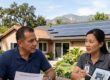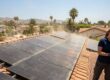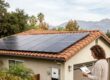
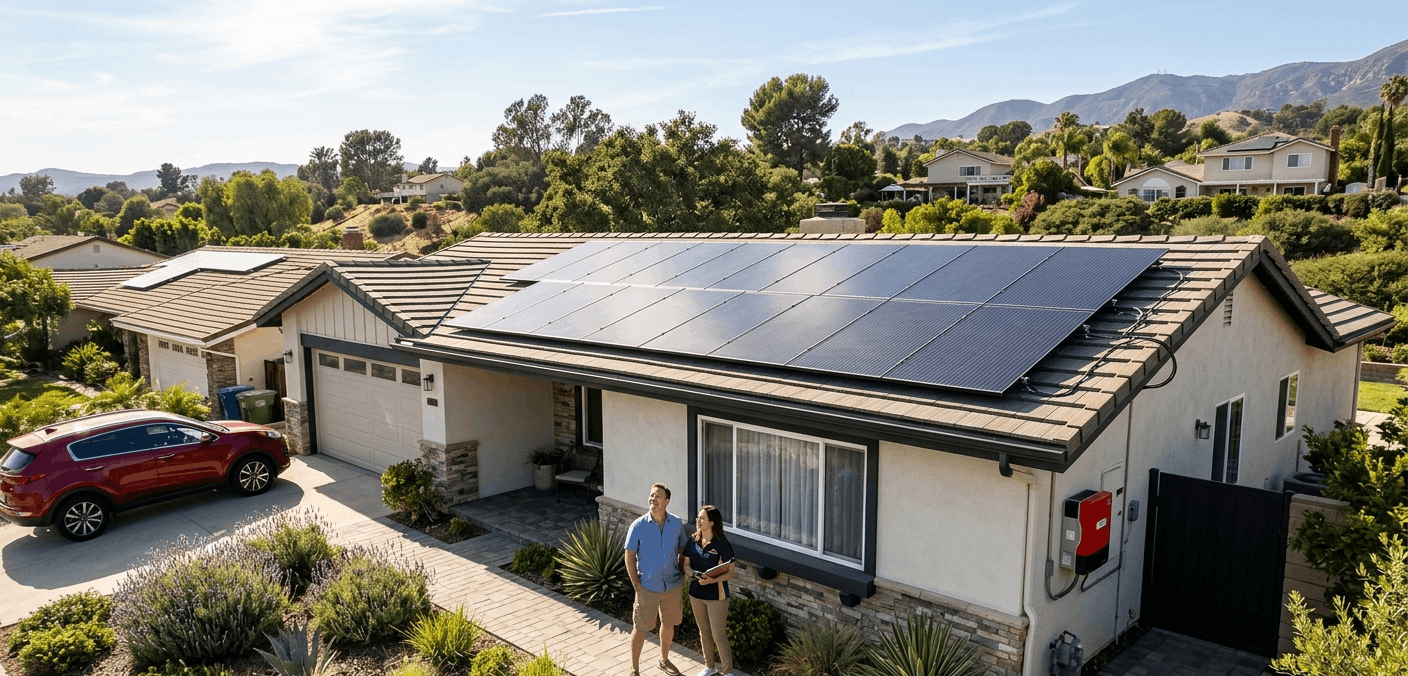
Switching to a solar energy system is a highly effective way for West Hills homeowners to establish long-term energy independence and lock in predictable monthly utility costs. Blessed with abundant Southern California sunshine and supported by valuable structural tax incentives, clean energy investments enable property owners to plan their financial futures with confidence. By providing transitional protection for your household from ongoing fluctuations in traditional utility rates, investing in home solar technology delivers clear environmental benefits alongside substantial cumulative financial returns over the next twenty-five years.
West Hills Solar Cost at a Glance: 2026 Pricing Table
As of 2026, solar panel systems in West Hills, CA, average $2.35/W installed. This translates to highly predictable installation ranges depending on the size of your property’s energy needs.
| System Size | Avg. Cost Before Incentives | After 30% ITC | Est. Monthly Savings |
| 4kW | $9,400 | $6,580 | $90 |
| 5kW | $11,742 | $8,219 | $113 |
| 6kW | $14,100 | $9,870 | $136 |
| 8kW | $18,800 | $13,160 | $181 |
| 10kW | $23,500 | $16,450 | $226 |
| 12kW | $28,200 | $19,740 | $271 |
The federal ITC remains available through 2032, helping homeowners reduce upfront installation costs.
What Factors Affect Solar Panel Cost in West Hills?
Solar costs in West Hills vary based on energy usage, equipment choices, and installation conditions. Understanding the key cost drivers can help homeowners evaluate quotes more effectively.
System Size & Your Monthly LADWP Bill
Rule of thumb: Higher electricity usage requires a larger solar system.
Several factors influence system sizing:
- Annual Usage: The average West Hills household uses about 9,600 kWh per year.
- System Capacity: A 5.3kW system can offset a typical electricity bill.
- Home Size: Most homes between 1,800 and 2,500 square feet need a 6kW to 8kW system.
- LADWP Rates: At about 27 cents per kWh, monthly bills often exceed $213.
Choosing the right system size helps balance upfront costs with long-term savings.
Panel & Inverter Type: How They Move the Price
Rule of thumb: Higher-efficiency equipment usually costs more upfront.
Equipment choices can affect both cost and performance:
- Monocrystalline Panels: Higher efficiency and stronger long-term value.
- Polycrystalline Panels: Lower upfront cost.
- String Inverters: More affordable for unshaded roofs.
- Microinverters: Better performance on partially shaded roofs.
- Premium Brands: SunPower, REC, and Panasonic systems often range from $2.50 to $3.50 per watt.
Higher-quality equipment generally increases system pricing.
Roof Complexity, Shading & Installation Nuances
Rule of thumb: Simpler roofs are usually less expensive to install solar on.
Installation costs often depend on:
- Steep or Multi-Level Roofs: Higher labor requirements.
- South-facing roofs: Up to 20% more energy production.
- Structural Upgrades: May be required before installation.
- Battery Storage: Optional for backup power, as LADWP still offers favorable 1:1 net metering.
Evaluating these factors helps create a more accurate solar cost estimate.
How to Reduce Your Solar Cost in West Hills: 2026 Incentives
Several incentives remain available to homeowners in 2026 and can reduce the overall cost of going solar.
| Incentive | Value | Who Qualifies | Deadline |
| Federal ITC | 30% tax credit | Homeowners who purchase systems | Through 2032 |
| California Property Tax Exclusion | Prevents reassessment from solar value | Eligible property owners | January 2027 |
| LADWP Net Metering (NEM 1:1) | 1-to-1 retail credits for exported electricity | LADWP customers | Ongoing |
| PACE Financing | Financing with little or no upfront cost | Qualified homeowners | Ongoing |
| DAC-SASH | Support for low-income households | Eligible applicants | Program dependent |
| SGIP Battery Rebate | Battery incentives | Income-qualified households | Available in 2026 |
Homeowners who complete their installation before January 2027 lock in the California Property Tax Exclusion, securing an additional $150 to $260 in annual property savings.
Are Solar Panels Worth It in West Hills, CA?
Solar panels are an excellent option for most West Hills homeowners in 2026. High electricity rates, available incentives, and strong solar production support long-term savings, especially for households with monthly utility bills above $150.
West Hills Payback Period: By the Numbers
For homeowners who purchase a system outright, the average payback period is approximately 7.3 years. Solar loans may provide immediate savings if monthly payments remain lower than current utility bills.
According to regional energy marketplace analysis from EnergySage, which utilizes real-world quote data and projects a standard 5.9% annual utility rate increase, a typical system can generate approximately $116,628 in electricity savings over 25 years. Solar installations may also increase property value by 4% to 6% without triggering higher property taxes, as long as the California exclusion remains available.
Financing Options: Cash, Loan, Lease & PPA
Homeowners can choose from several financing options depending on their goals.
| Option | Best For | Main Advantage |
| Cash Purchase | Long-term homeowners | Highest overall savings |
| Solar Loan | Budget-conscious buyers | Potential savings from day one |
| Solar Lease | Lower upfront spending | Predictable monthly payments |
| PPA | Homeowners seeking convenience | No ownership responsibilities |
How to Get Accurate Solar Quotes in West Hills
Obtaining multiple quotes is one of the best ways to evaluate costs and compare installers.
Step 1: Get at Least Three Quotes
Compare pricing, equipment quality, and projected energy production from several installers.
Step 2: Review Proposal Details
Every quote should include:
- Equipment Specifications: Panel and inverter models.
- Warranty Information: Product and workmanship coverage.
- Permit Handling: Responsibility for permits and inspections.
- PTO Timeline: The expected schedule for utility ‘Permission to Operate,’ which is your final utility approval to start using your solar system.
These details help homeowners compare proposals on more than price alone.
Step 3: Verify Licensing and Credentials
Confirm the installer’s license through the California Contractors State License Board (CSLB) and thoroughly review their insurance coverage and customer feedback.
To ensure a smooth experience, focus on companies that offer transparent written proposals, verifiable operational addresses, balanced payment structures, and comprehensive warranty documentation.
Conclusion
Solar remains a strong option for many West Hills homeowners due to available incentives and long-term electricity savings. System costs vary with energy use, equipment choices, and roof conditions, making personalized quotes essential. At Solar Unlimited, we help homeowners understand local solar economics and evaluate their options with confidence. Taking the time to review local programs and plan ahead ensures your home can achieve the highest possible return on investment.
Sources
https://www.energysage.com/local-data/solar-panel-cost/ca/los-angeles-county/west-hills/
FAQs
How much does a solar panel installation cost in West Hills?
The average 5kW (kilowatt) system costs $11,742 before incentives and $8,219 after the 30% ITC (Investment Tax Credit). Typical savings can reach $116,628 over 25 years.
Are solar panels worth it, and how long is the break-even period?
West Hills homeowners generally find solar panels highly advantageous due to local LADWP rates. For those making an outright cash purchase, the initial investment usually pays for itself in about 7.3 years. After that, systems deliver strong financial returns and naturally improve property valuation by 4% to 6%.
Does LADWP offer solar incentives for West Hills homeowners?
LADWP customers are eligible to join net billing programs and receive credits for electricity generation. While there are no direct cash rebates, homeowners can use structural benefits like PACE financing and regional property tax exclusions.